A first visit to Morocco tends to land as a bit of a sensory ambush — in the best way. Deserts give way to snow-capped peaks, medinas that have run the same way for a thousand years open onto modern boulevards, and the smell of cumin and orange blossom follows you around. Here is how to make sense of it.
A country of several cultures at once
Morocco is Amazigh, Arab and Andalusian all at the same time, with French and Spanish layers on top. You hear it in the language — Darija, Tamazight, French and increasingly English in one conversation — and see it in the architecture. Recognising that mix early makes the country far easier to read.
The imperial cities
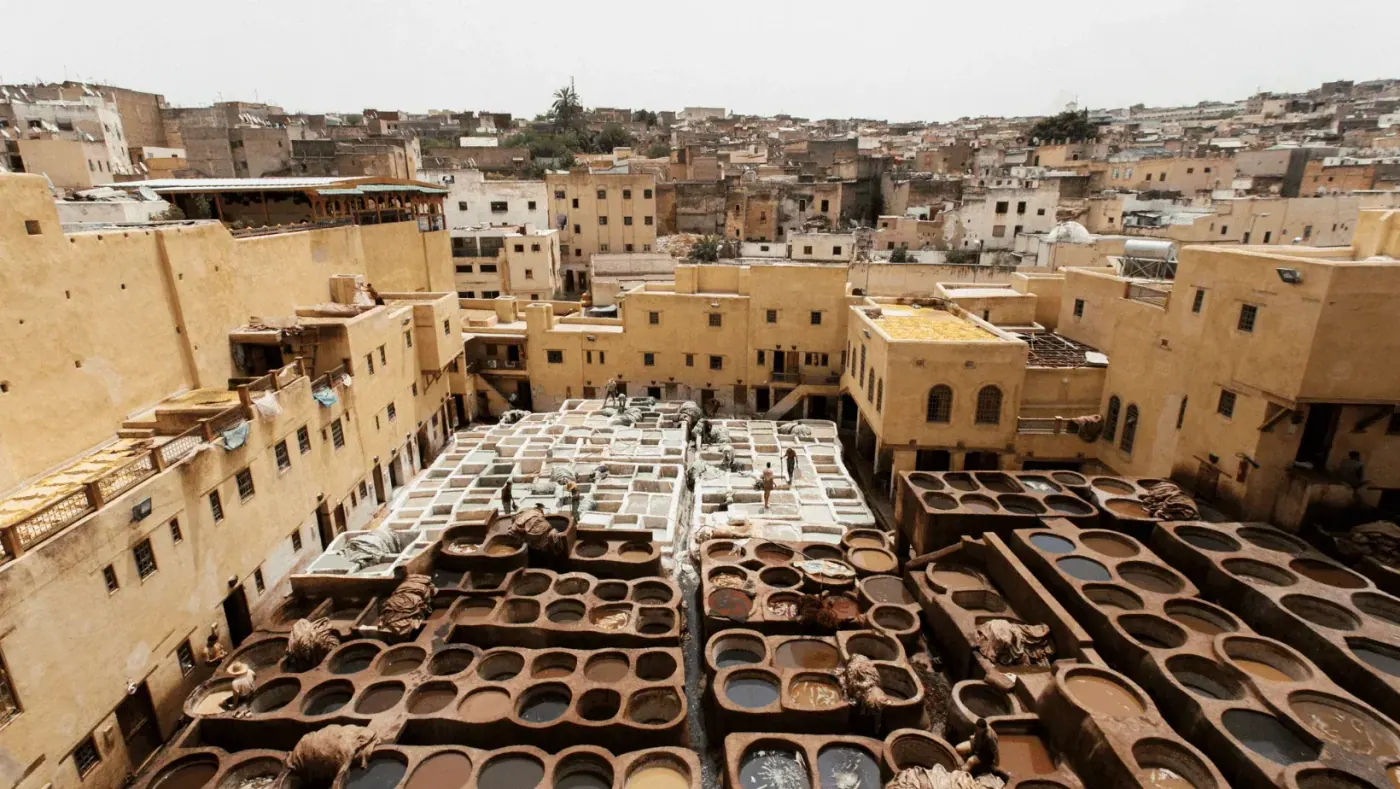
Marrakech, Fes, Meknes and Rabat each held the capital at some point, and each has kept a different character. Marrakech is theatrical and busy, best experienced around Jemaa el-Fna in the evening. Fes is older, quieter and more serious, and its medina is the one that genuinely warrants a guide. Meknes is grand and underrated. Rabat is the calm coastal capital where modern Morocco is most visible.
The Sahara is worth the drive
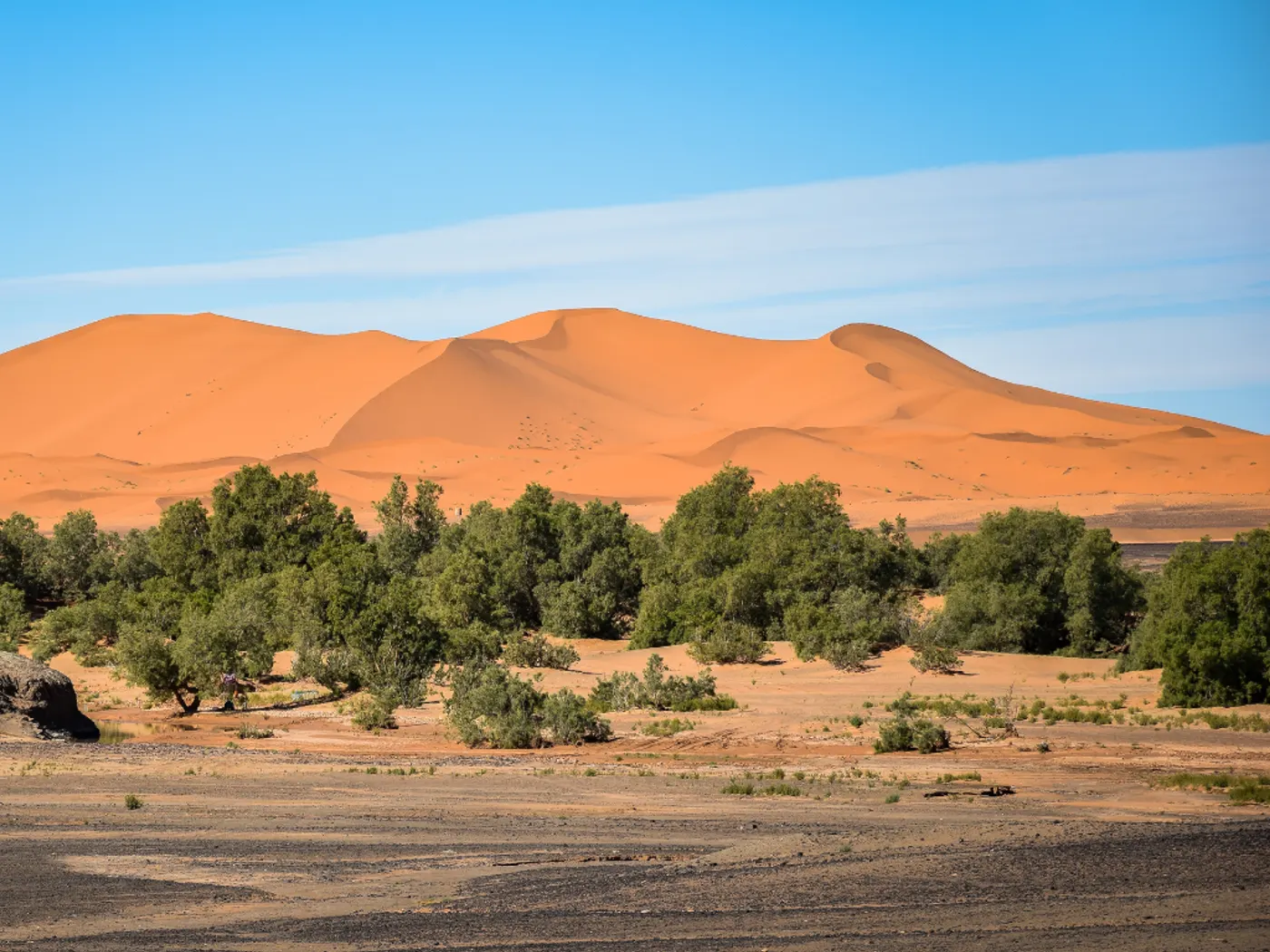
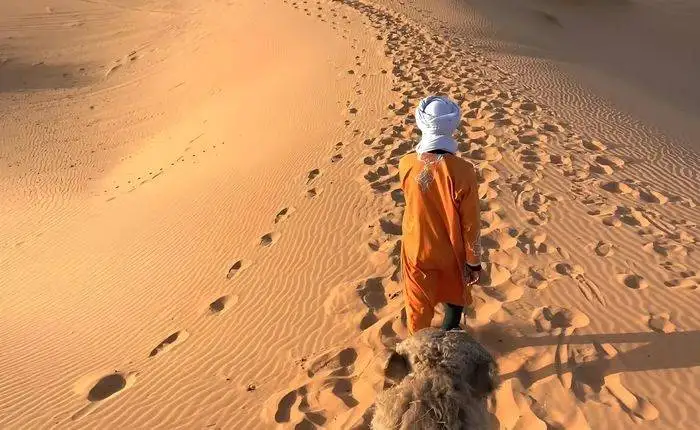
It is a long way — there is no getting around that — but a night in the desert is what most people cite as the best part of the trip. Camel trek over the dunes at sunset, dinner in a camp, drums after dark and a sky thick with stars. Set an alarm for sunrise; it is better than the sunset and almost nobody regrets getting up for it.
Mountains, gorges and coast
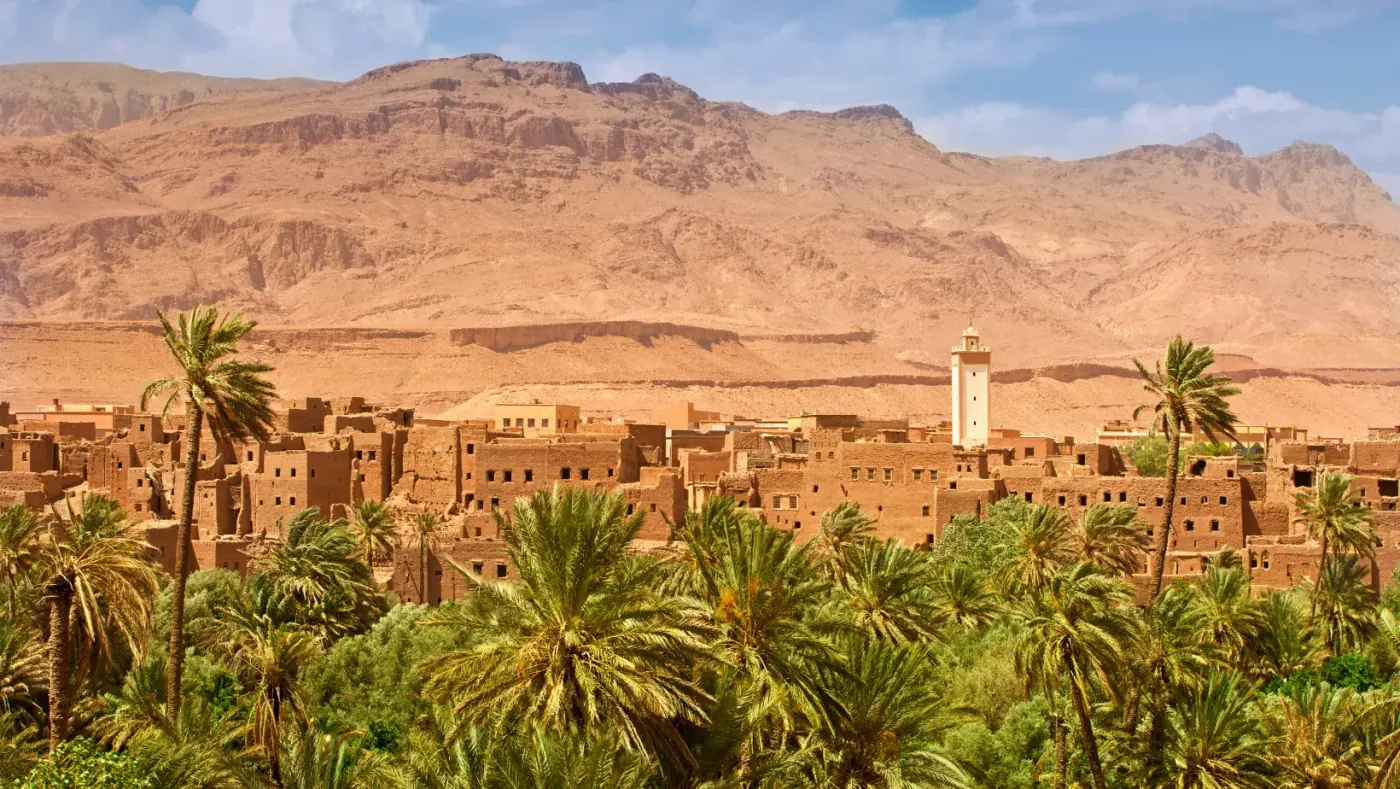
Between the cities and the desert sit the Atlas ranges, the Dades and Todra gorges, and the Ourika Valley and Ouzoud Waterfalls within reach of Marrakech. On the Atlantic, Essaouira offers whitewashed ramparts, fresh seafood and a slower pace that makes a good decompression stop at the end of a busy route.
Eating your way through
Tagine and couscous are only the beginning — harira soup, pastilla, grilled sardines, msemen for breakfast, and mint tea at every possible opportunity. Meals are social and unhurried. If you are invited to eat with a family, say yes; it is usually the story people tell when they get home.
How much to attempt
The most common first-trip mistake is trying to cover the whole country in a week. Morocco is bigger than it looks and the interesting roads are slow. A week comfortably covers Marrakech, the kasbah road and the Sahara. Ten days lets you add Fes. Two weeks gets you the north and the coast as well without living in the car.
Practical tips
Dress modestly outside tourist areas. Learn a couple of phrases — “shukran” for thank you, “la shukran” for no thank you. Haggle politely in the souks; it is expected and meant to be enjoyable. Carry small change for tips and taxis. Drink bottled water, and pace yourself in the summer heat. Card payment is common in cities but cash still rules in rural areas and souks.
What tends to stay with people
Not usually the monuments. It is more often the small things — the third glass of tea you did not need, a driver detouring to show you a viewpoint, sunrise over an empty dune field. Morocco has a habit of pulling people back for a second trip, and most of our travellers arrive having already been once.
What to pack
Layers matter more than anything else. A single day can run from a cold desert dawn to a 30°C afternoon, and the Atlas passes are cooler than the plains at any time of year. Bring a light jacket or fleece even in summer, and something warm for a night in a desert camp — the temperature drop after sunset surprises almost everyone.
Otherwise: comfortable closed shoes for medina lanes and dunes, sunscreen and a hat, a scarf that doubles as sun and wind protection, and a plug adaptor for European two-pin sockets. Modest clothing that covers shoulders and knees is appreciated in smaller towns and rural areas, though cities are relaxed.
Money, tipping and costs
The currency is the dirham (MAD), and it is a closed currency — you cannot buy it before you arrive in any useful quantity. Withdraw from an ATM at the airport or in town; cards are accepted in hotels and larger restaurants but cash rules in souks, taxis and rural areas.
Tipping is customary and small: a few dirhams for a café bill, 10% in a restaurant if service is not included, and more meaningfully for a driver-guide at the end of a multi-day tour. Carry small notes — change for large ones is genuinely hard to find.
Language and communication
Moroccan Arabic (Darija) and Amazigh are the everyday languages, and French is widely spoken in business and tourism. English is common in Marrakech, Fes and among guides, less so in small towns. A few words of Arabic go a long way socially — salam for hello, shukran for thank you, la shukran for a polite no.
Local SIM cards are cheap and easy at the airport, and coverage is good on the main routes, though it drops in the deep desert and some Atlas valleys. Most riads and camps have wifi; do not count on it in a Sahara camp.
Frequently asked questions
Most European, UK, US, Canadian and Australian passport holders can enter visa-free for up to 90 days. Check your own nationality before booking, since the list does change.
Less than most of Europe. Food, taxis and local transport are inexpensive; riads and private tours are where the budget goes. It scales well from backpacking to genuinely luxurious.
Do not photograph people without asking, do not accept an unsolicited guide in the medina, and avoid public displays of affection in smaller towns. During Ramadan, avoid eating or drinking in the street in daylight.
Stick to bottled or filtered water. The tap water is treated in cities but the mineral content differs from what most visitors are used to.
Marrakech for two or three days, then a three or four-day desert route to Merzouga. It gives you a city, the High Atlas, the kasbah road and the Sahara without a punishing pace.
Want to see this for yourself?
Every one of our tours is private and shaped around you. Tell us your dates and we will put a route together — usually within 24 hours.