
Moroccan cooking is a layering of influences — Amazigh at its base, Arab in its spicing, Andalusian in its pastry, with French and sub-Saharan traces on top. What that produces is a cuisine built on slow cooking, sweet against savoury, and bread as a utensil. Knowing what to order, and when things are actually eaten, changes a trip considerably.
How a Moroccan meal works
Bread is the constant. Khobz, round and flat, arrives with everything and is used to scoop rather than accompany. Cutlery is available for visitors but the bread is the intended tool, held in the right hand.
Salads come first, and "salad" means a spread of small cooked dishes — roasted pepper, aubergine, carrot, beetroot — rather than leaves. They are shared, eaten with bread, and are often the best part of the meal.
A main follows, usually a tagine or grilled meat, and it is communal. Everyone eats from the same dish, working the section directly in front of them rather than reaching across.
Fruit ends the meal far more often than pastry. Sweets belong with tea in the afternoon, not at the end of dinner, which surprises most visitors.
Tagine, properly understood
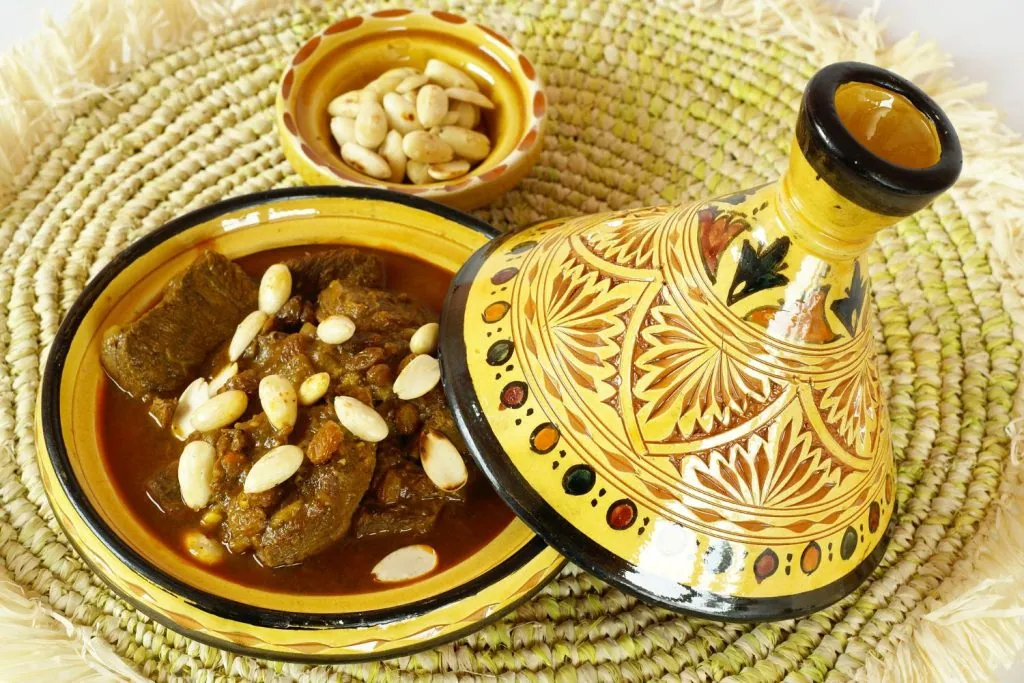
A tagine is the conical earthenware pot and the dish cooked in it. The cone traps steam and returns it to the food, which is how meat becomes tender without added liquid.
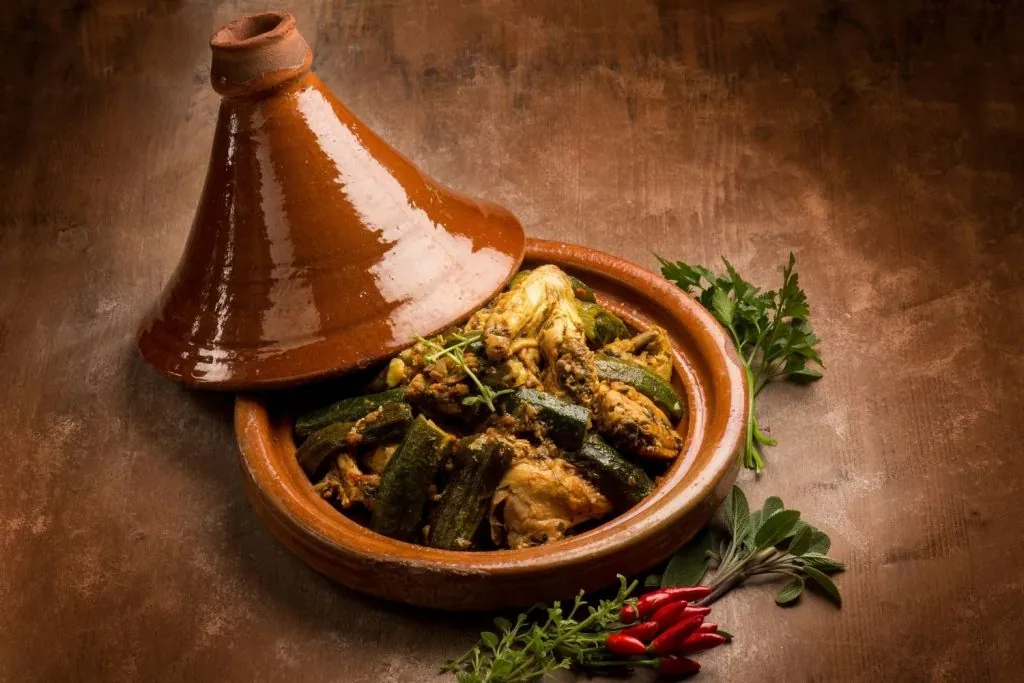
The classic combinations are lamb with prunes and almonds, chicken with preserved lemon and olives, and kefta — meatballs in tomato sauce, often with an egg cracked in at the end.
A good tagine takes hours. Anywhere serving one within ten minutes of ordering has reheated it, which is normal in tourist restaurants and rarely as good.
Vegetable tagines are excellent and genuinely common, not a concession to visitors.
Couscous, and the Friday rule
Couscous is steamed semolina, not boiled, traditionally three times over a simmering stew until it is light rather than heavy. The instant version sold abroad bears little relation to it.
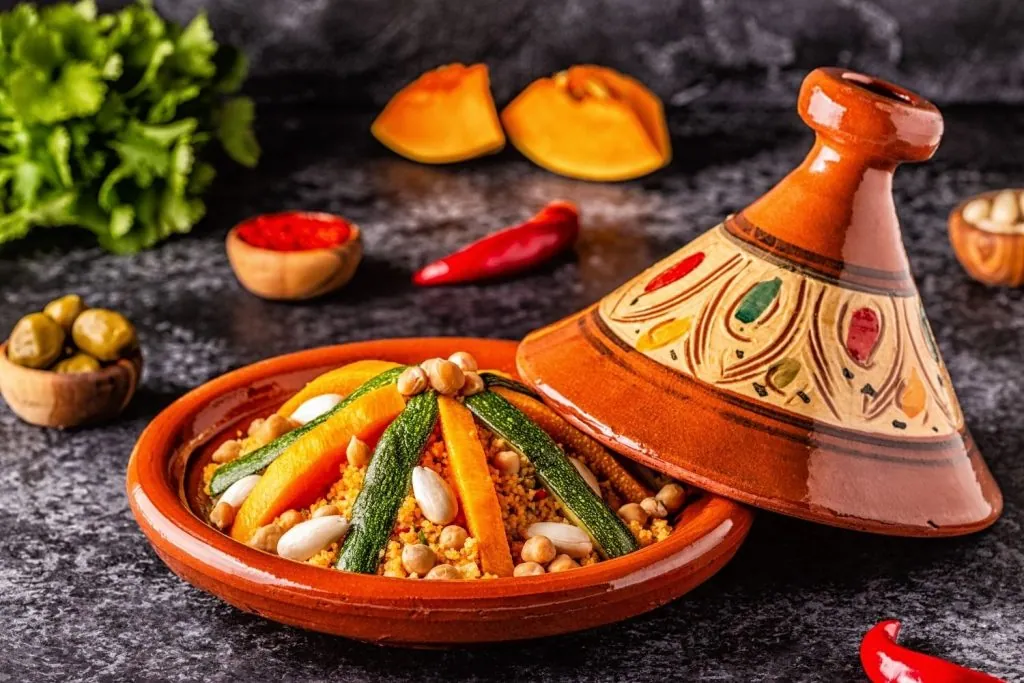
It is Friday food. Couscous is eaten after midday prayers, and in family homes it appears on Fridays and not much else. Restaurants serve it daily for visitors, but if you want the real thing, eat it on a Friday.
The classic is seven-vegetable couscous with lamb or chicken. Tfaya — caramelised onions and raisins — is the sweet variation worth seeking out.
The dishes people miss
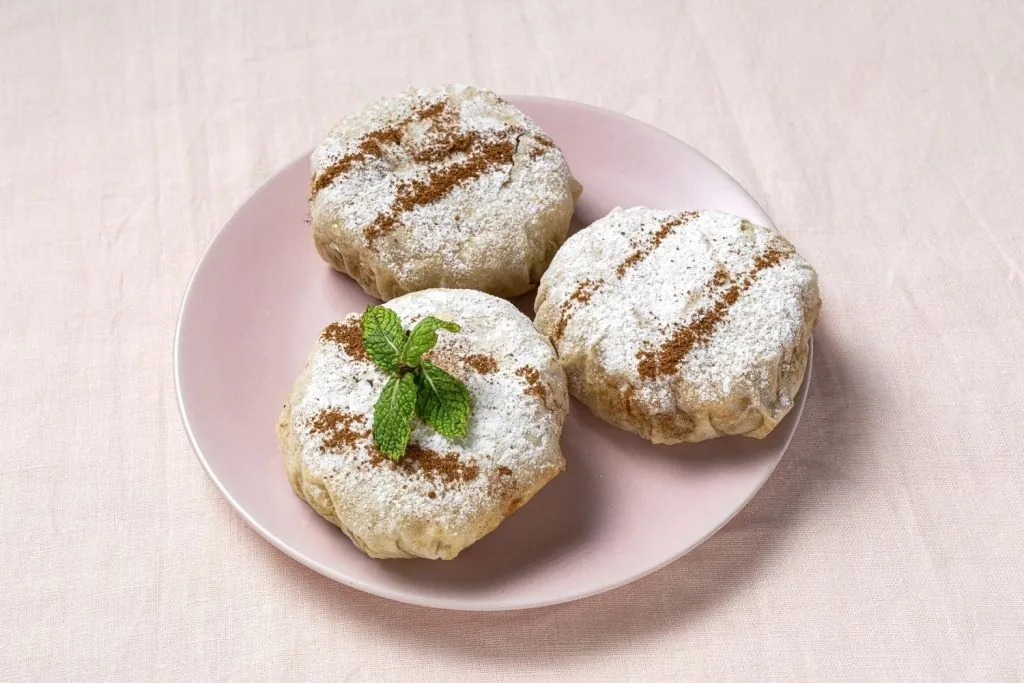
Pastilla is the great one. A pie of shredded pigeon or chicken layered in fine warqa pastry with almonds and cinnamon, dusted with icing sugar. Sweet and savoury at once, and the single most surprising thing on a Moroccan menu.
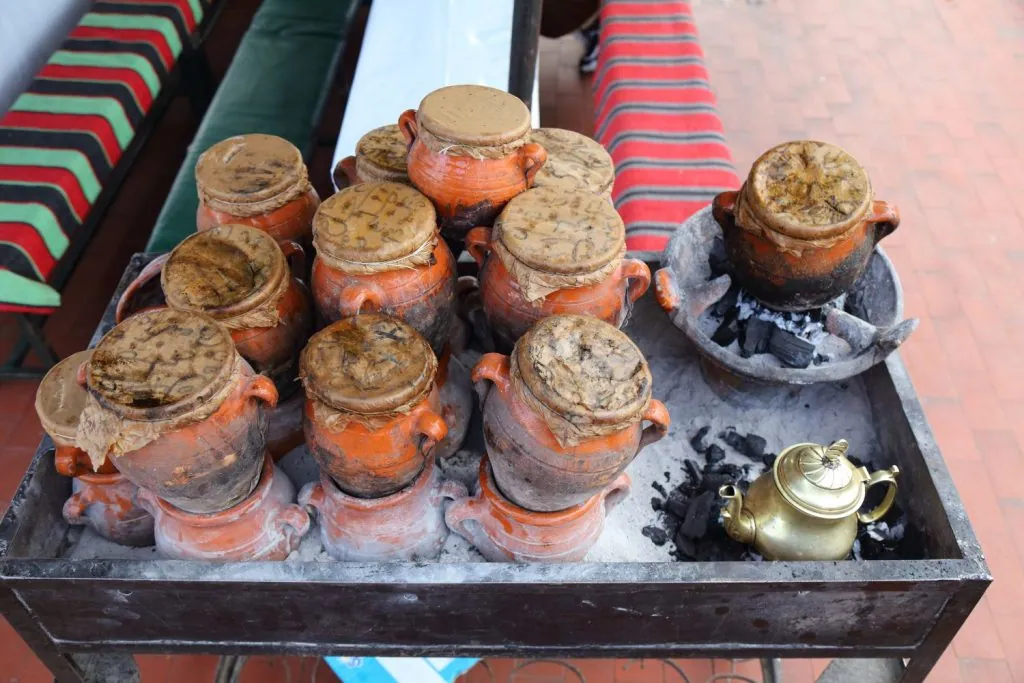
Tangia is Marrakech’s own dish and often confused with tagine. Meat, preserved lemon and spices sealed in a tall urn and cooked slowly in the ashes of a hammam furnace. Traditionally a bachelor’s dish, prepared by men.
Mechoui is whole lamb, slow-roasted in an earth pit until it falls apart, sold by weight and eaten with cumin and salt.
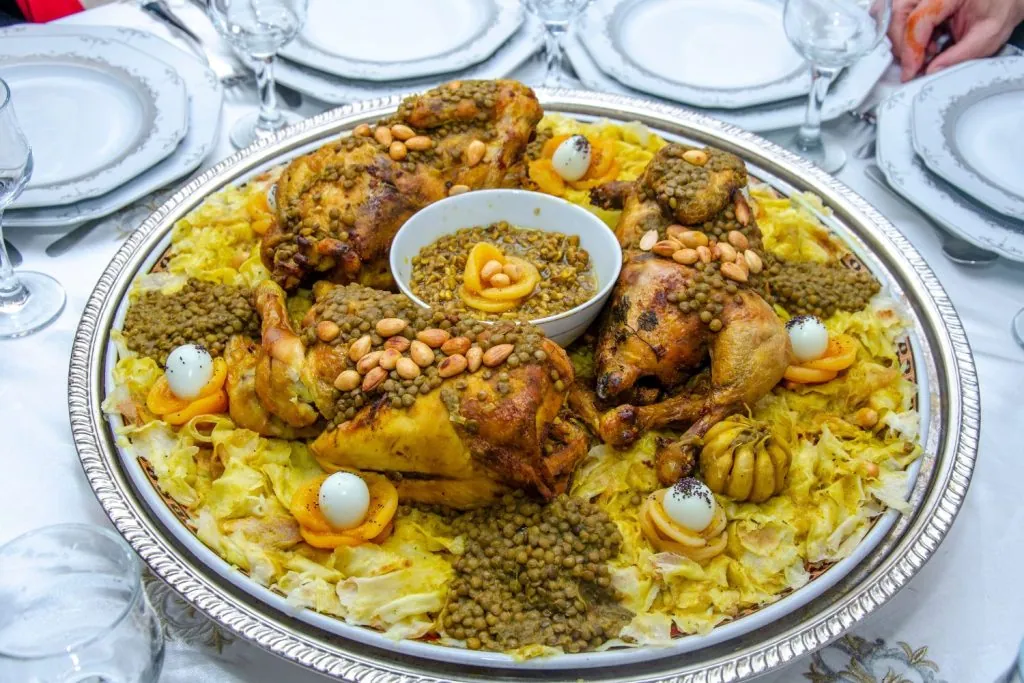
Rfissa — shredded msemen under chicken, lentils and fenugreek — is served to new mothers and rarely appears on tourist menus. If you are offered it in a home, accept.
Mrouzia is lamb with raisins, almonds and ras el hanout, sweet and heavily spiced, traditionally made around Eid.
Harira and the soup that breaks the fast
Harira is tomato, lentil, chickpea and lamb soup thickened with flour and finished with coriander and lemon. It is what Moroccans break the Ramadan fast with, eaten with dates and chebakia.
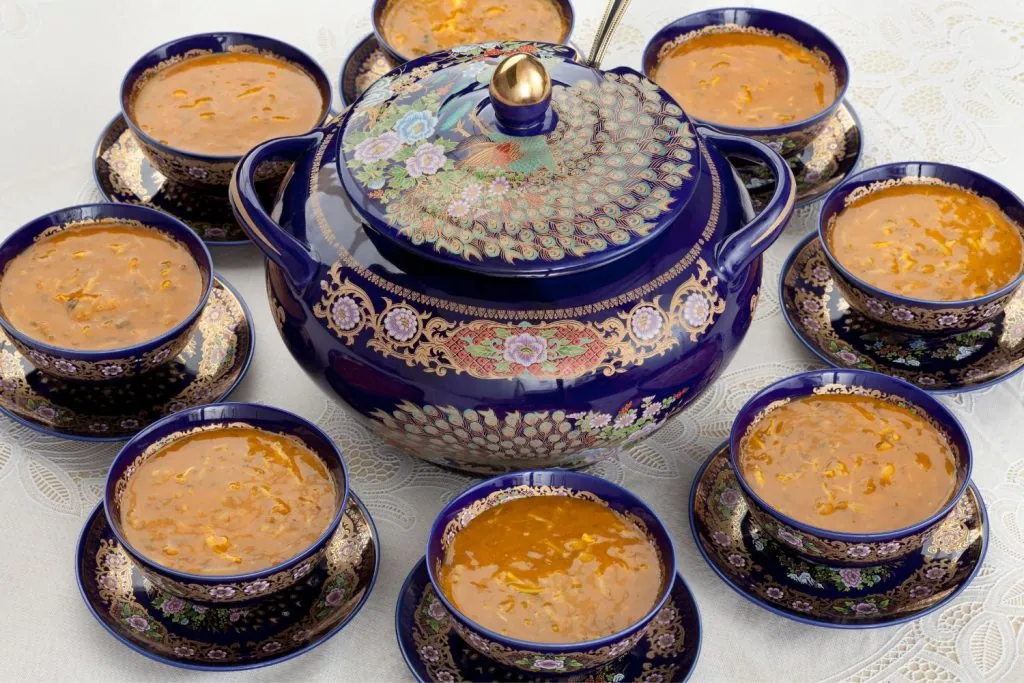
It is available year-round, cheap, and one of the best things you can eat in Morocco. Street stalls often do it better than restaurants.
Bissara, a thick broad bean purée with olive oil and cumin, is the other great cheap breakfast, sold from small shops in the mornings.
Street food worth stopping for
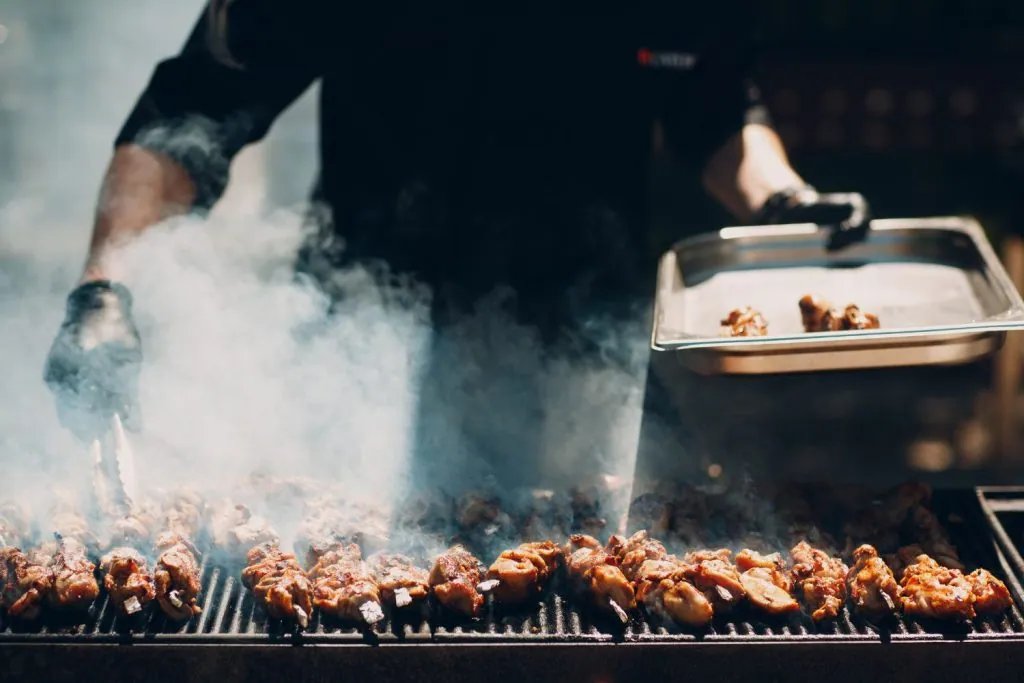
Jemaa el-Fna sets up food stalls after dark — grilled meat, harira, snail soup, fried fish. It is a genuine local institution as much as a tourist one. Choose stalls with heavy turnover.
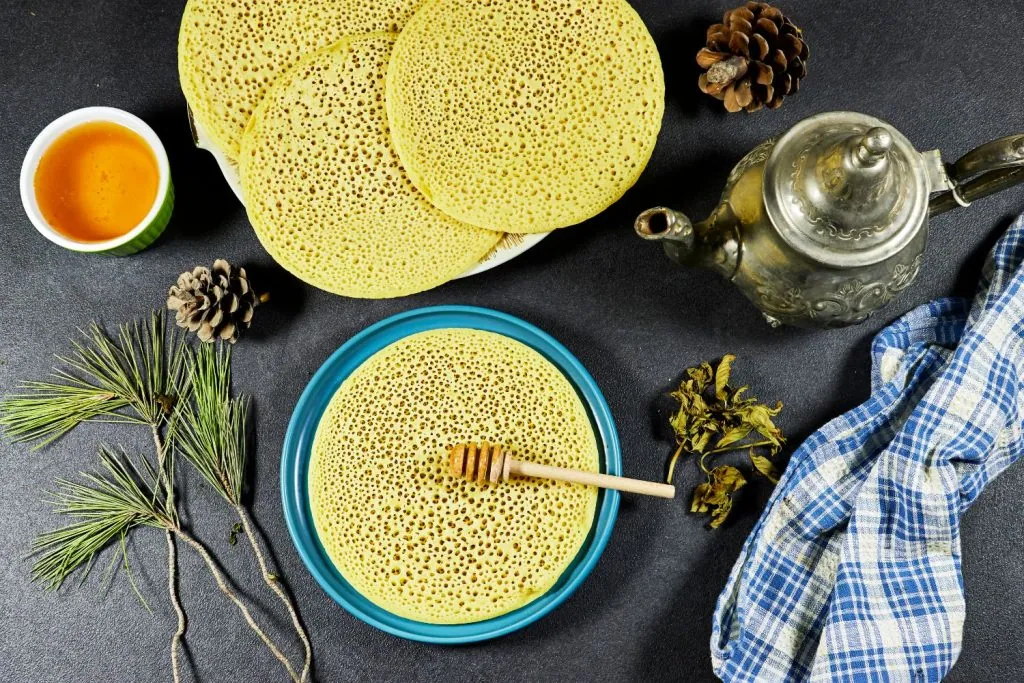
Msemen and beghrir are the breakfast breads. Msemen is square, layered and flaky; beghrir is spongy and full of holes, eaten with butter and honey.
Sfenj are doughnuts fried to order in the morning and threaded onto a loop of palm frond to carry home.
Snail soup — babbouche — is sold from steaming vats and is more pleasant than visitors expect. Cumin-heavy, medicinal, and very cheap.
Pastries and sweets
Kaab el ghazal, gazelle horns, are the classic: crescents of thin pastry filled with almond paste and orange blossom.
Chebakia is fried, twisted into a rose, soaked in honey and sesame — a Ramadan staple eaten alongside harira.
Briouat are small filled triangles, either sweet with almonds or savoury with cheese or meat.
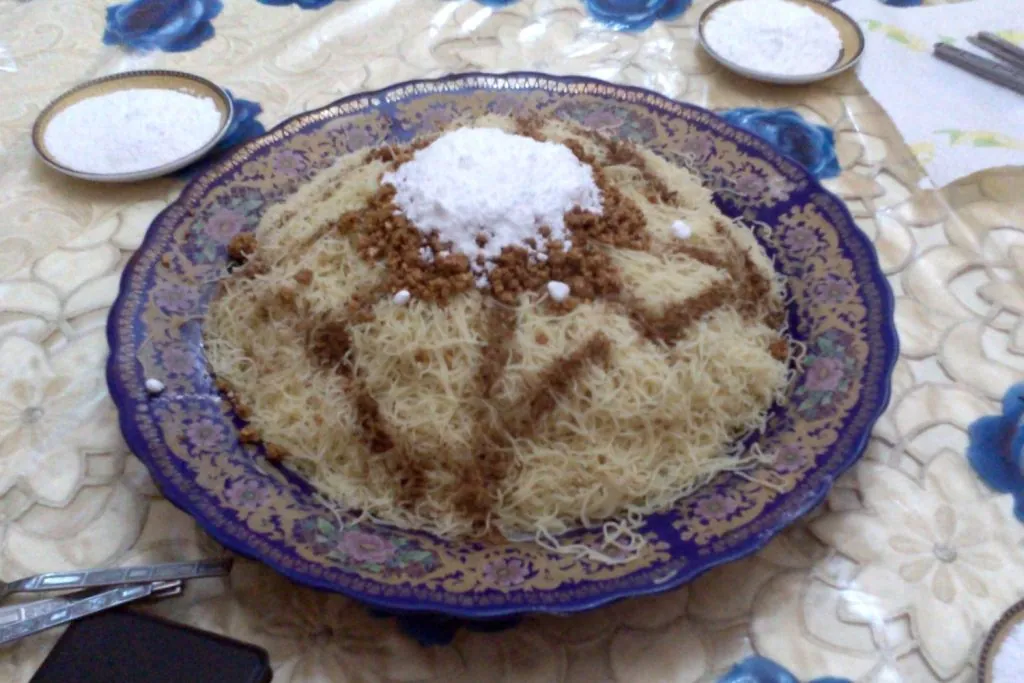
Sellou is a dense mixture of toasted flour, almonds and sesame, eaten in spoonfuls and served to guests and to new mothers.
Mint tea and what else to drink
Atay is green tea with spearmint and a great deal of sugar, poured from height to aerate it. Refusing a glass when it is offered reads as refusing hospitality, so accept even if you only sip it.
You can ask for it with less sugar. Ask before it is made, because the sugar goes in the pot.
Fresh orange juice is everywhere and costs almost nothing. Avocado juice, thick and sweetened with milk, is a Moroccan favourite worth trying.
Lben is buttermilk, sharp and served with couscous. Coffee is French-influenced and strong, and nous-nous — half coffee, half milk — is the standard order.
Eating well as a visitor
The best food is rarely on a square with a view. Restaurants with photographs on the menu and a man outside inviting you in are aimed at people who will not return.
Riad dinners are consistently good, cooked to order by someone who cooks it at home. Ask your riad whether they serve dinner — many do, with notice.
A cooking class is the most efficient way to understand the cuisine. Most start at the market and finish with lunch you have made.
Vegetarians eat well here — vegetable tagine, couscous, the salad spread, bissara and lentils are all standard. Vegans should ask about butter and eggs. Halal is universal; kosher is limited to Casablanca and a few specific places.
Practical cautions
Drink bottled water and use it for teeth. This single habit prevents the most common problem visitors have.
Street food is generally safe where turnover is high and cooking is done in front of you. Avoid anything sitting warm and unattended.
Wash fruit in bottled water or eat what you can peel.
Tap water is chlorinated in cities and used for cooking everywhere, which is fine — it is drinking it untreated that causes trouble.
Regional differences worth knowing
Marrakech is the home of tangia, mechoui and the food stalls of Jemaa el-Fna. The cooking is robust, meat-heavy and shaped by the surrounding plains.
Fes is the more refined kitchen, and the one usually credited with the finest pastilla and the most elaborate sweets. It is where the Andalusian influence sits most visibly.
The Atlantic coast — Essaouira, Oualidia, Agadir — is where to eat fish. Grilled sardines, sea bream and calamari, chosen from the ice and cooked in front of you at the port, cost very little and are often the best meal of a trip.
The south and the desert eat more simply: bread, dates, tagines with fewer ingredients, and the flat bread cooked in sand that camps sometimes demonstrate. Almonds, dates and olives are the constants.
The Rif and the north show Spanish influence, and the tea is often served with absinthe leaves alongside the mint in winter.
Spices, and what ras el hanout actually is
The core Moroccan spices are cumin, sweet paprika, ginger, turmeric, cinnamon, saffron and black pepper. Heat comes from harissa on the side rather than chilli in the pot.
Ras el hanout translates as "head of the shop" and means the seller’s own blend of his best spices. There is no fixed recipe — a good one may contain twenty or thirty components, including rose petals, cardamom and grains of paradise.
Saffron is grown at Taliouine in the Anti-Atlas and is genuine and good. Very cheap "saffron" sold loose in tourist souks is usually safflower, which colours but does not taste.
Preserved lemons — lemons packed in salt for weeks — are the flavour visitors most often fail to identify. They are the sharp, almost fermented note in a chicken tagine, and a jar travels home easily.
Frequently asked questions
Tagine — both the conical earthenware pot and the slow-cooked stew made in it. Couscous is the other, traditionally eaten on Fridays after midday prayers.
A tagine is cooked in a shallow conical dish, usually by women, in a kitchen. A tangia is a Marrakech speciality sealed in a tall urn and cooked slowly in the ashes of a hammam furnace.
Aromatic rather than hot. Cumin, ginger, saffron, cinnamon and ras el hanout dominate. Harissa is served on the side rather than cooked in, so you control the heat.
Vegetable tagine, couscous, the cooked salad spread, bissara, lentils and zaalouk are all standard and widely available. Vegans should check on butter and eggs.
Generally yes where turnover is high and food is cooked in front of you. Avoid anything sitting warm and unattended, and drink bottled water.
A pie of shredded pigeon or chicken layered in fine warqa pastry with almonds and cinnamon, dusted with icing sugar — sweet and savoury together, and the dish most visitors remember.