
Two solar eclipses bracket this period for Morocco, and only one of them puts the country under the path of totality. If you are planning a trip around an eclipse, 2 August 2027 is the date that matters.
What already happened: 12 August 2026
The total solar eclipse of 12 August 2026 has passed. Its path of totality crossed Greenland, Iceland and northern Spain. Morocco sat well outside that path and saw only a partial eclipse, with the Sun partly covered rather than fully hidden.
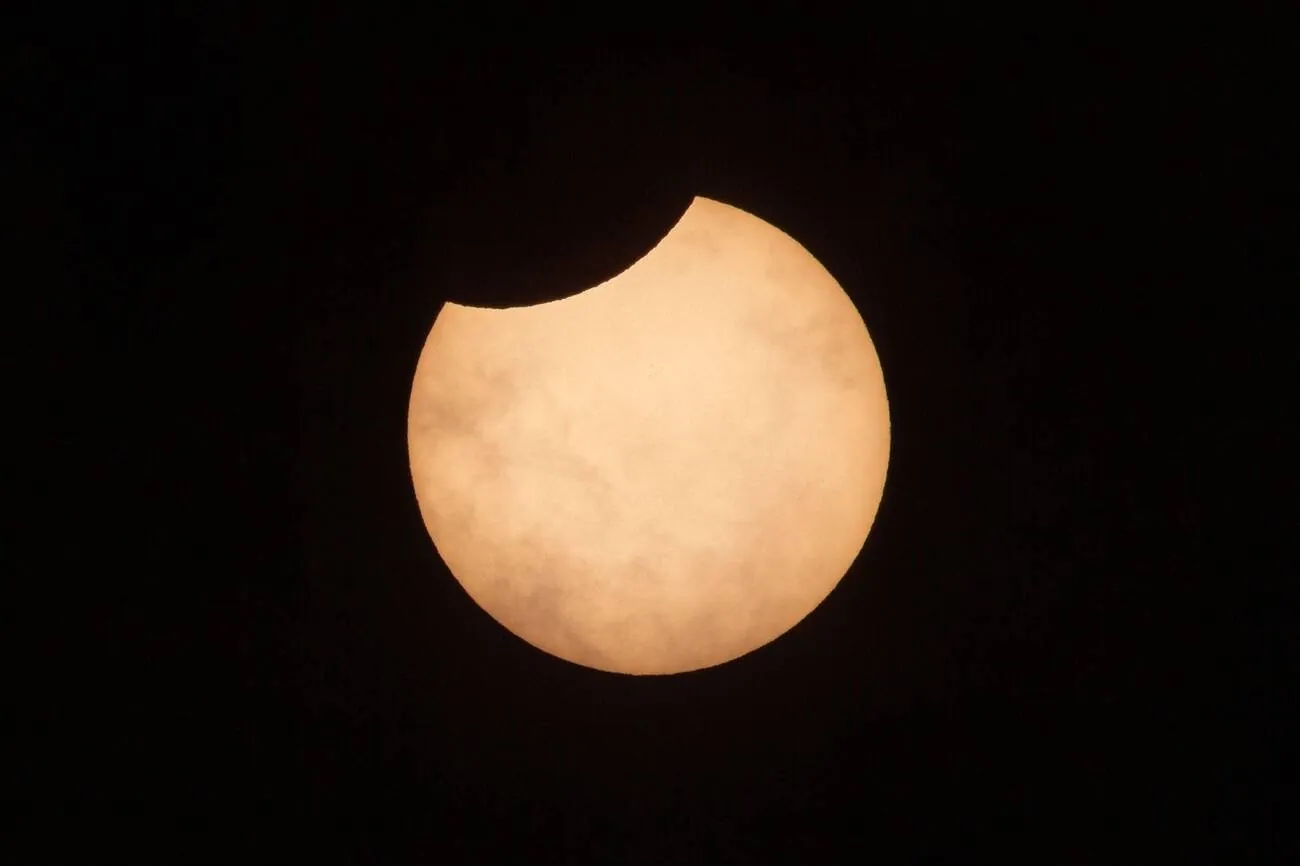
A deep partial eclipse is worth watching, but it is a fundamentally different experience from totality. The sky dims oddly, the light goes flat and metallic, and that is roughly it. Nothing about it resembles what happens when the Sun disappears completely.
The one that counts: 2 August 2027
On 2 August 2027 the Moon’s shadow sweeps east across the Atlantic, makes landfall in southern Spain, crosses the Strait of Gibraltar and passes over northern Morocco before continuing through Algeria, Tunisia, Libya and Egypt.
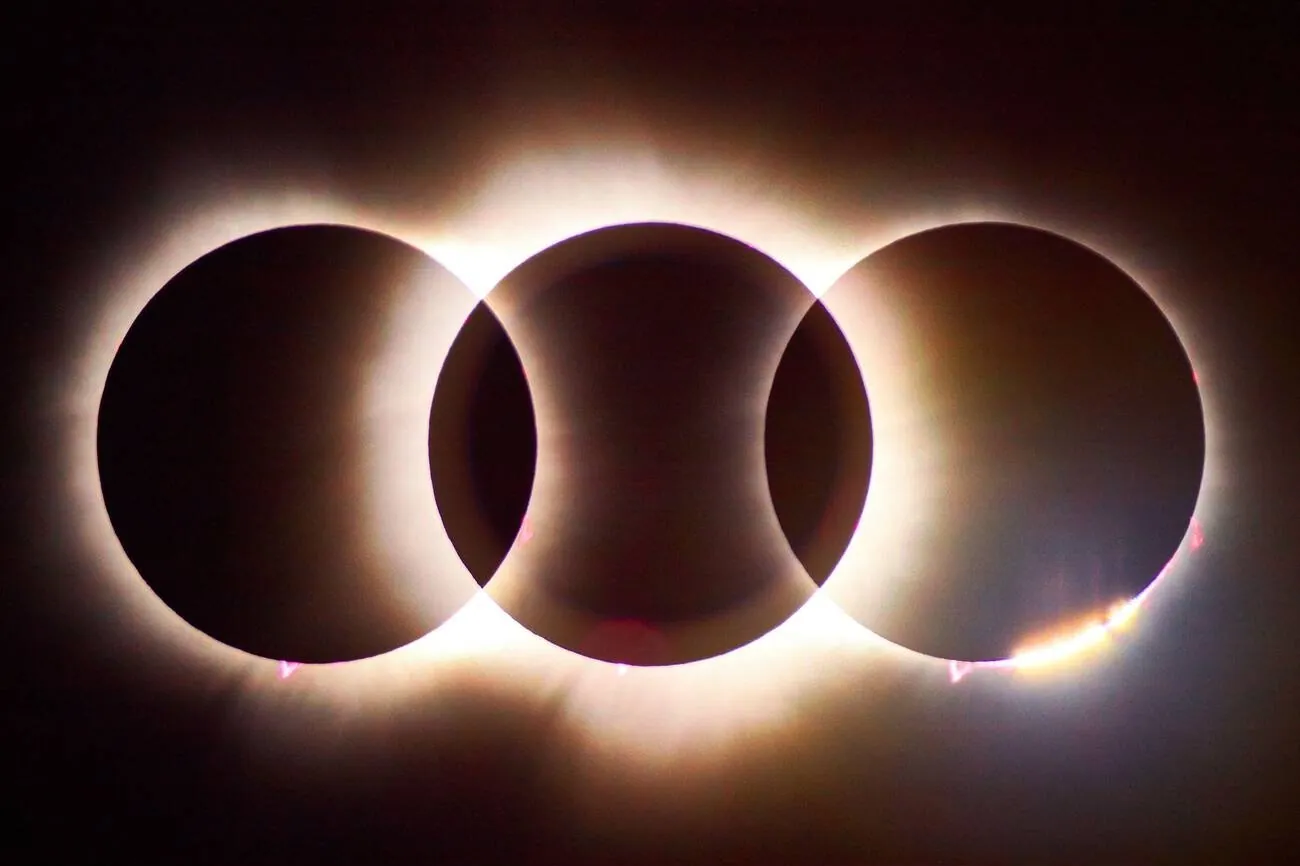
This is an unusually long eclipse. Near Luxor in Egypt, totality lasts over six minutes, which is close to the theoretical maximum. Morocco does not get the full six, but northern Morocco sits inside the path and gets several minutes of true totality — an enormous amount by eclipse standards, where two minutes is often considered generous.
The reason it lasts so long is a combination of the Moon being near its closest point to Earth and the eclipse occurring near local noon at low latitudes, where the shadow moves more slowly across the surface.
Where the path of totality falls in Morocco
The path crosses the north of the country. Tangier, Tetouan, Chefchaouen and the Rif region fall in or near the band of totality, as does the Mediterranean coast east towards Al Hoceima and Nador.
Marrakech, Fes, Casablanca and the Sahara are all outside the path. From Marrakech you would see a substantial partial eclipse and nothing more. This is the single most important planning point: the difference between 99% coverage and totality is not a matter of degree, and standing in the wrong city means missing the event entirely.
Exact timings vary by a few minutes across the path. Before committing to a spot, check a dedicated eclipse source such as timeanddate.com or NASA’s eclipse pages for the precise local circumstances at your chosen location — those are the authorities, and they update as the date approaches.
Why August weather favours Morocco
Eclipse chasing is largely a bet on cloud. Early August in northern Morocco is reliably dry, and the interior in particular sees very little cloud at that time of year. That is a significant advantage over parts of the European track.
The Mediterranean and Atlantic coasts can carry morning cloud or haze that usually burns off, but inland positions in the Rif tend to be clearer. Many experienced eclipse travellers plan to be mobile on the day, holding a flexible position and moving if the forecast shifts.
August is also peak heat. Inland northern Morocco in early August is hot but manageable, well short of the temperatures further south in the Sahara.
Building a trip around the eclipse
Eclipse day itself takes a few hours. The rest of the trip is what makes the journey worthwhile, and northern Morocco is well placed for it — Chefchaouen’s blue medina, the Roman site at Volubilis, the medina of Fes, and the Mediterranean coast are all within reach of the path.
A common shape is to arrive several days early, use the time for the north, position for the eclipse, then continue south afterwards towards the desert or Marrakech. Coming from the north means the Fes-to-Sahara route runs in the natural direction.
Accommodation in the path of totality will be booked well ahead. Eclipse travel behaves differently from normal tourism: demand concentrates on a single night in a narrow strip of geography, and the towns concerned are not large.
Watching safely
Looking at a partially eclipsed Sun without proper protection causes permanent retinal damage, and it does not hurt while it happens. Sunglasses, exposed film, smoked glass and phone cameras are all inadequate.
Use eclipse glasses certified to ISO 12312-2, or view by projection. Bring them with you; they are not reliably available locally.
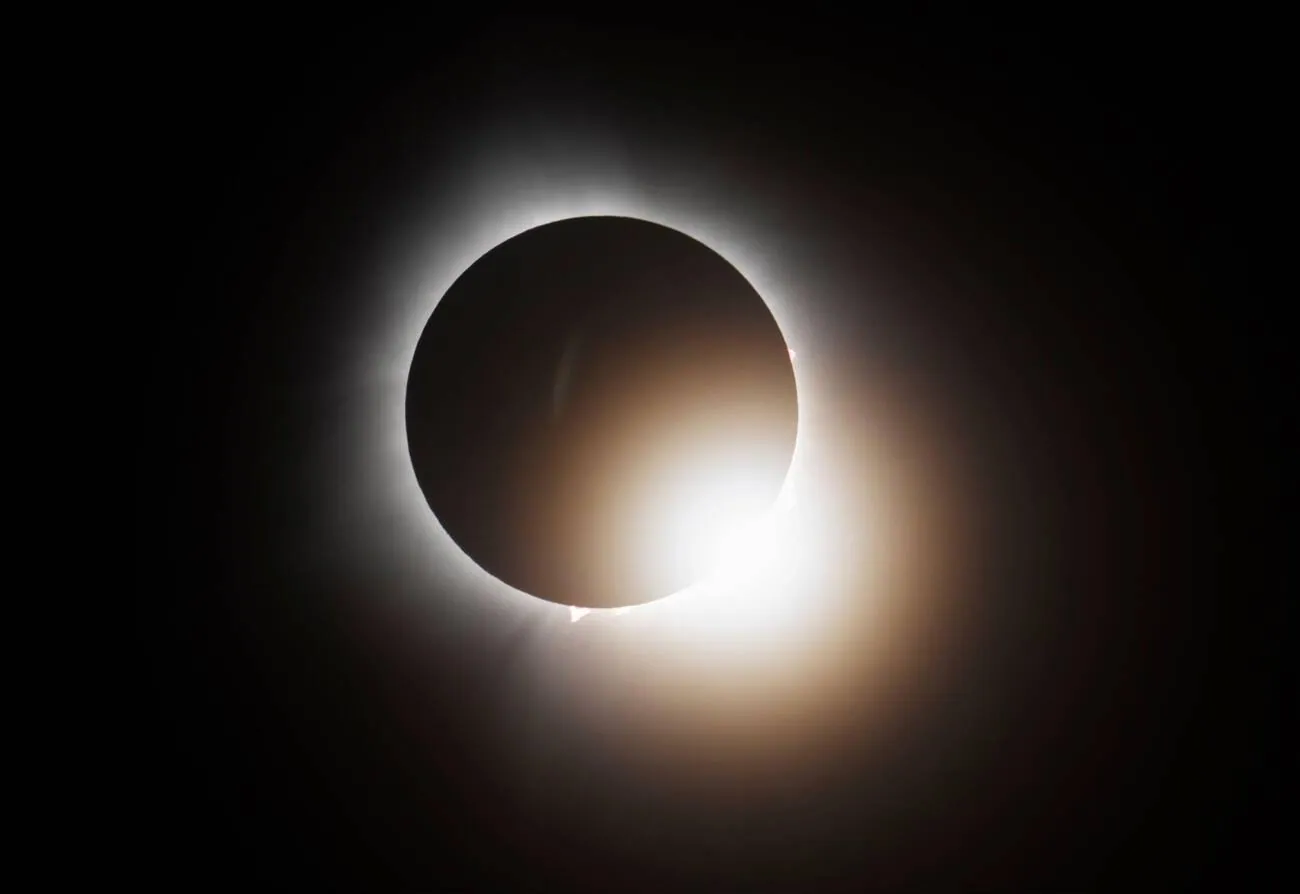
During the few minutes of totality, and only then, it is safe to look directly at the Sun with the naked eye. The moment the first sliver of the photosphere reappears, protection goes back on immediately.
Planning ahead
For an event this fixed in date and geography, early planning is not optional. Flights into Tangier and Fes, and accommodation anywhere near the centreline, will tighten a long way in advance.
We can build a private itinerary around eclipse day, with the flexibility to move on the morning itself if cloud dictates. Tell us your dates and we will structure the rest of the trip around that one fixed point.
Frequently asked questions
Yes. On 2 August 2027 the path of totality crosses northern Morocco, including the Tangier, Tetouan and Chefchaouen areas. Marrakech, Fes and the Sahara lie outside the path and will see only a partial eclipse.
It occurred on 12 August 2026 and its path of totality crossed Greenland, Iceland and northern Spain. Morocco saw a partial eclipse only.
Several minutes in the path across the north — long by eclipse standards. Duration increases eastward along the track, reaching over six minutes in Egypt. Check a dedicated eclipse source for exact timings at a specific location.
Early August is reliably dry in northern Morocco, with little cloud inland. Coastal areas can see morning haze that usually clears.
Yes. Use eclipse glasses certified to ISO 12312-2 for every phase except totality itself. Sunglasses and phone screens offer no protection. Bring them with you rather than relying on buying locally.