It is the question we are asked more than any other, usually by solo travellers and women planning a first visit. The short answer is yes — Morocco is one of the safer countries in the region for visitors, provided you apply the same common sense you would in any unfamiliar city.
General safety
Tourism matters enormously to the Moroccan economy, and visitor safety is taken seriously as a result. There are dedicated tourist police in the main destinations, and police presence is visible in Marrakech, Fes, Casablanca, Rabat, Tangier and Chefchaouen. Violent crime against tourists is rare. What you are far more likely to meet is the low-level stuff: pickpocketing in crowds, an over-eager sales pitch, or someone insisting your route is closed and steering you towards a shop.
Common scams, and how to sidestep them
The usual ones are easy to spot once you know them. Unofficial “guides” who attach themselves to you in the medina and demand payment later. Being told a square or a tannery is shut, then led somewhere else. Taxis without a meter running. None of it is dangerous — a polite, firm “no thank you” and continuing to walk resolves nearly all of it. Agree taxi fares in advance or insist on the meter.
Travelling solo
Thousands of people travel Morocco alone every year without incident. Stay somewhere with recent, credible reviews; avoid unlit unfamiliar streets late at night; keep valuables out of sight in crowds; and use a registered guide the first time you enter a big medina — Fes in particular is genuinely disorienting. Joining a small organised tour for the Sahara or the Atlas is a popular way to cover long distances without driving.
For women travellers
Morocco is generally safe for women, including solo. The honest caveat is street harassment: comments, staring or persistent attention, mostly in busy city areas. It is wearing rather than threatening, and it is best handled by not engaging — do not reply, keep walking, keep your pace confident. Dressing modestly, with shoulders and knees covered, noticeably reduces it, particularly outside tourist zones. Many women travel independently here and come away positive about it, especially those who base themselves in riads and join organised day trips.
Getting around
Trains between the main cities are reliable, comfortable and cheap. Petit taxis are everywhere in the cities — agree the price first or make sure the meter is on. For longer distances, a private driver removes most of the friction: no schedules, no negotiating at every stop, and someone who knows the roads. For solo or first-time visitors, pre-arranged transfers are worth the small extra cost simply for the peace of mind.
Health and practicalities
Drink bottled or filtered water rather than tap. Street food is generally fine if it is busy and cooked in front of you. Summer heat in the south is serious — carry water and plan the middle of the day around shade. Pharmacies are well stocked and pharmacists are helpful for minor issues. Travel insurance that covers medical treatment is sensible, as it would be anywhere.
A few cultural notes
Morocco is a Muslim country and a fairly relaxed one, but a little respect goes a long way. Dress modestly away from beaches and pools, ask before photographing people, and be discreet with alcohol outside licensed venues. During Ramadan, avoid eating and drinking in public in daylight. Learning “shukran” — thank you — will get you further than you would expect.
The short version
Go. Take the same precautions you would in Barcelona or Naples, be firm and friendly with the touts, and accept that you will be offered mint tea more often than you can drink it. The overwhelming majority of visitors have no trouble at all.
Safety for families with children
Morocco is a notably child-friendly country — children are welcomed rather than tolerated, and families travelling with young kids often report being looked after more attentively than they expected. The practical challenges are logistical rather than about safety: long driving days, heat in summer, and medina lanes that are hard with a pushchair.
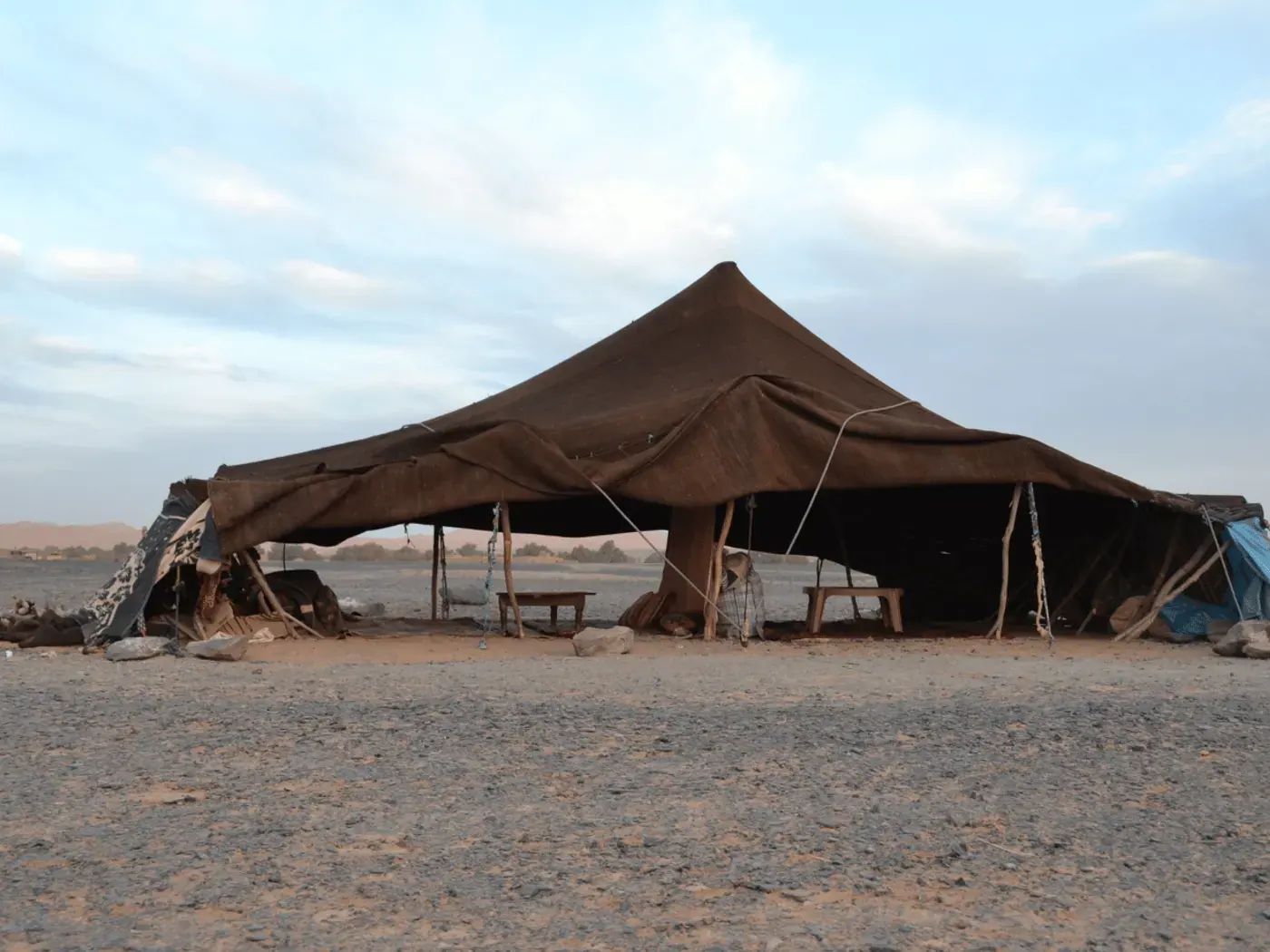
A carrier works better than a buggy in the old cities, and breaking the desert route over an extra day makes an enormous difference with under-tens. Camel rides, kasbahs and a night in a desert camp tend to land extremely well with children.
Food and stomach upsets
The most common traveller complaint is not crime, it is an upset stomach, and it is usually avoidable. Drink bottled or filtered water, including for brushing teeth if you are sensitive. Eat at places that are busy — turnover means fresh food — and be a little cautious with raw salads and unpeeled fruit early in the trip.
Street food in Jemaa el-Fna is generally fine at the busy stalls where you can see the cooking. Bring rehydration sachets as a precaution; pharmacies are excellent, well stocked and found in every town.
Emergency numbers and practical help
The police number is 19 in cities and 177 for the Gendarmerie Royale in rural areas; ambulance is 15. Tourist police operate in the main medinas and are used to handling visitor issues. Keep a photo of your passport on your phone and the original in the hotel safe.
If you are travelling with a licensed operator, your driver-guide is the fastest route to help of any kind — medical, mechanical or simply a misunderstanding — because they speak the language and know the area. That single fact is why guided travel here feels easier than it looks from the outside.
Frequently asked questions
Yes. Violent crime against visitors is rare and the country invests heavily in tourism security. The realistic risks are petty theft in crowded medinas and persistent street selling, both of which are manageable.
Many women travel Morocco solo without incident, though unwanted attention and comments are common enough to be worth preparing for. Dressing modestly, being firm rather than polite when brushing off attention, and using a guide for the desert legs all help considerably.
Unofficial "guides" who lead you somewhere then demand payment, taxi meters that are suddenly broken, and being told a route is closed so you are steered to a shop. Agree prices in advance and decline unsolicited help politely.
The main roads are good and well maintained. City driving is assertive and rural roads can be narrow with unlit vehicles at night. Most visitors find a driver-guide less stressful than self-driving, especially on mountain passes.
No special vaccinations are required for most travellers. Standard routine vaccinations should be current; check with your own doctor before travelling.
Want to see this for yourself?
Every one of our tours is private and shaped around you. Tell us your dates and we will put a route together — usually within 24 hours.