
The hammam is not a spa treatment that happens to be Moroccan — it is a weekly social ritual that visitors are welcome to join. Understanding what happens, and which of the three very different tiers you are booking, is the difference between an hour you remember fondly and an hour you spend confused and half-undressed.
What a hammam actually is
A hammam is a steam bath, historically attached to a mosque and heated by the same furnace. Every Moroccan neighbourhood has one, and for many families it remains a weekly routine rather than a luxury.
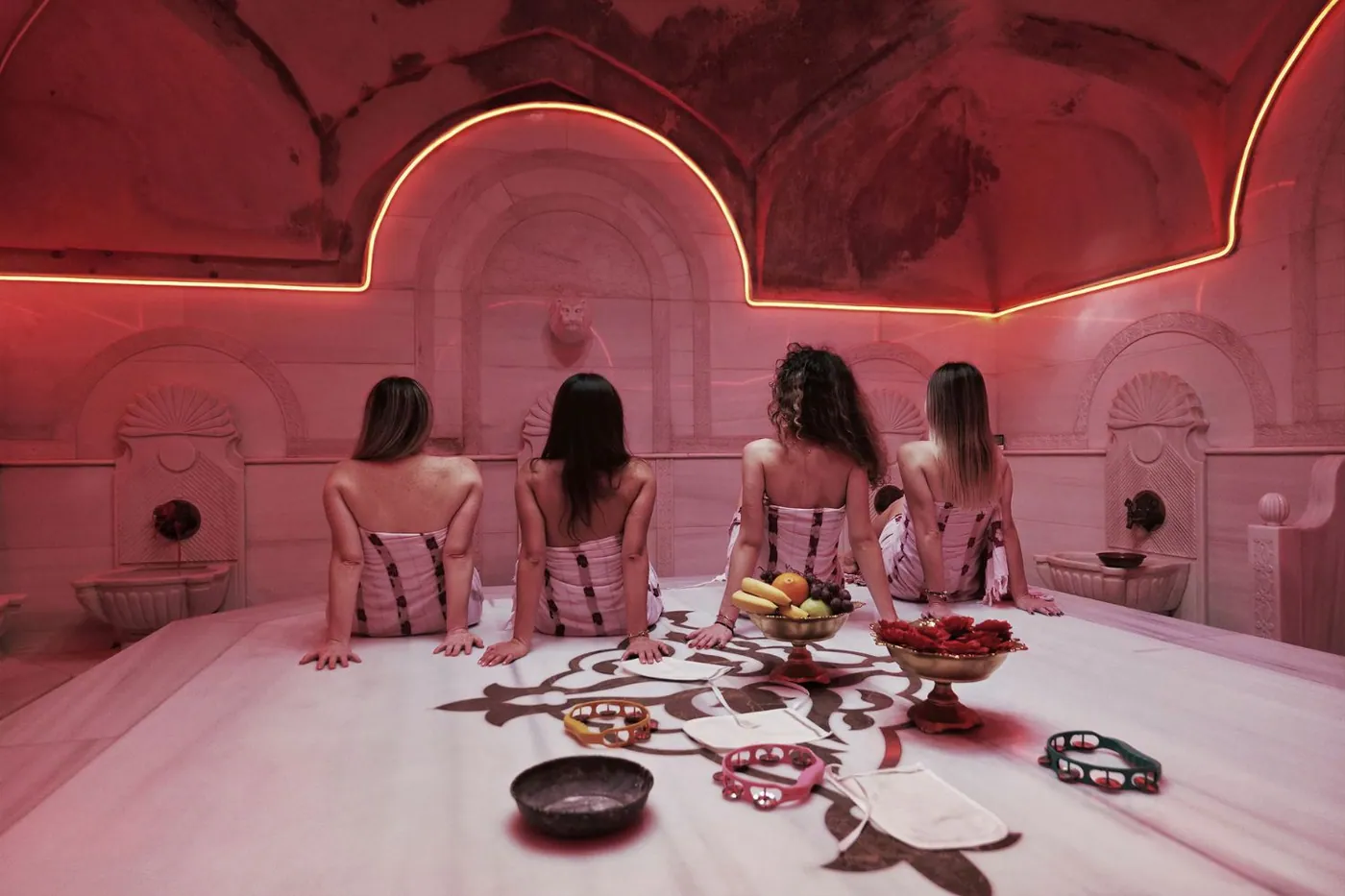
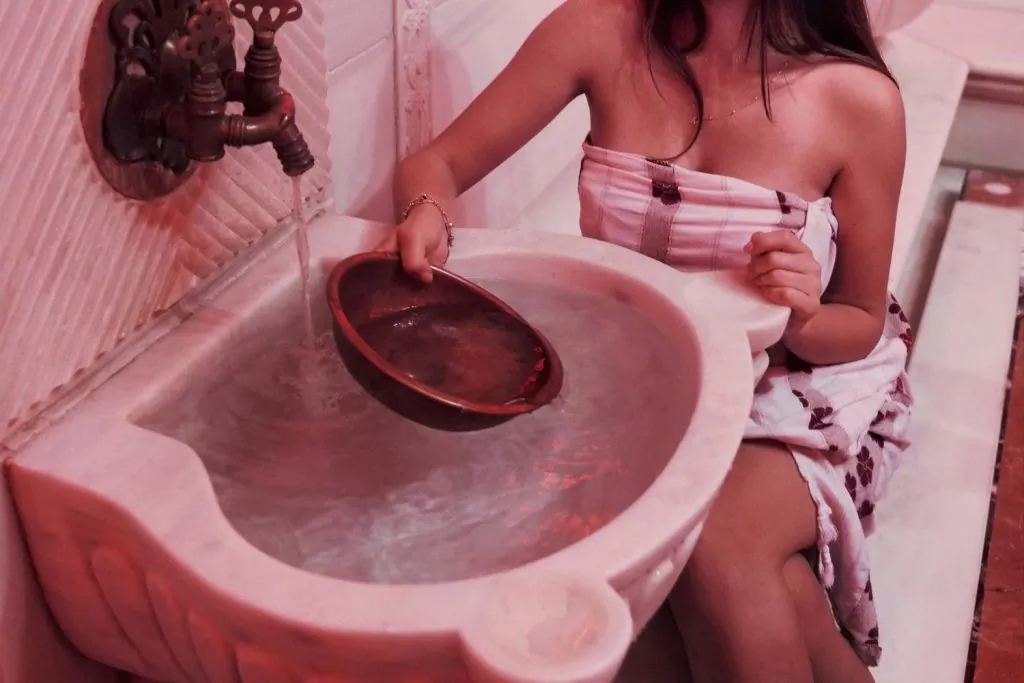
The building is a sequence of rooms increasing in heat. You move through them, sweat, are scrubbed, rinse and rest. There is no plunge pool and no sauna in the Nordic sense.
Men and women attend at separate times or in separate premises. Public hammams are strictly single-sex; riad and hotel spas are usually private or by appointment.
The three tiers, and which to choose
The public neighbourhood hammam costs very little — a few dirhams for entry, a little more for a scrub. It is basic, communal, tiled and hot, everyone is in underwear, and you may need to bring your own soap, glove and mat. It is the real thing and it is not designed for tourists.
The riad or dedicated spa hammam sits in the middle. Private or small-group rooms, a set treatment, towels and products supplied, English or French spoken. This is where most visitors are comfortable, and where the ratio of experience to price is best.
The five-star hotel spa is a full international spa with a hammam attached. Marble, silence, robes, a menu of treatments, and European prices. Excellent if that is what you want, but the least Moroccan of the three.
If you want the culture, go public. If you want the treatment, go riad. If you want the pampering, go hotel. Deciding which of those you actually want first makes the choice obvious.
The ritual, step by step
You undress to underwear — briefs or a swimming costume bottom. Full nudity is not the norm in Morocco, and in a public hammam it would be out of place.
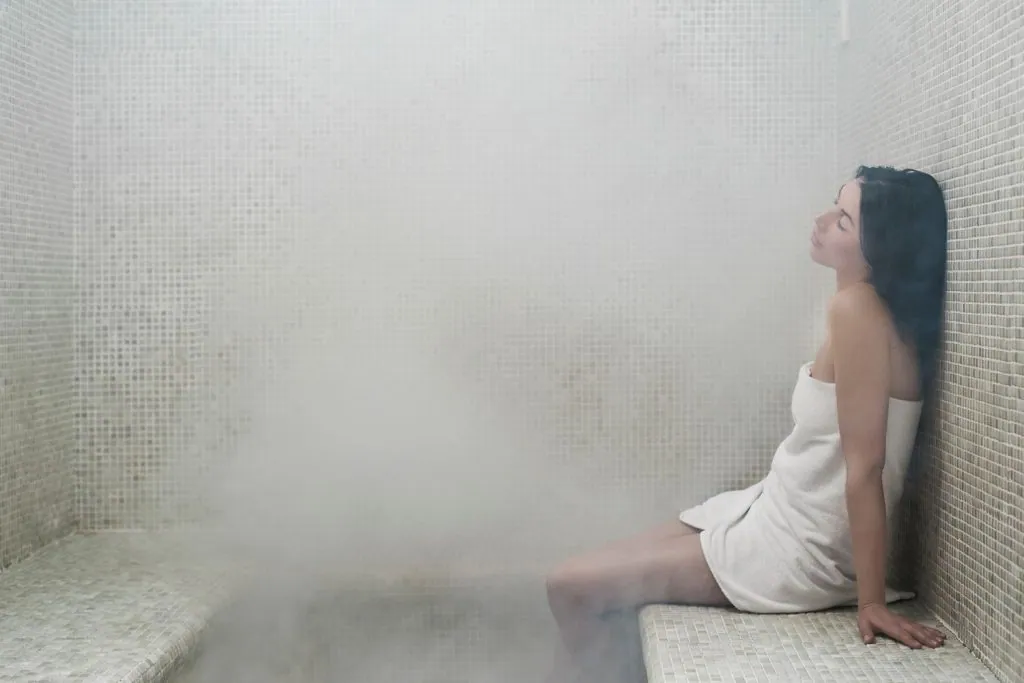
You move into the hot room and sit while the steam opens the skin. This takes ten or fifteen minutes and is largely uneventful.
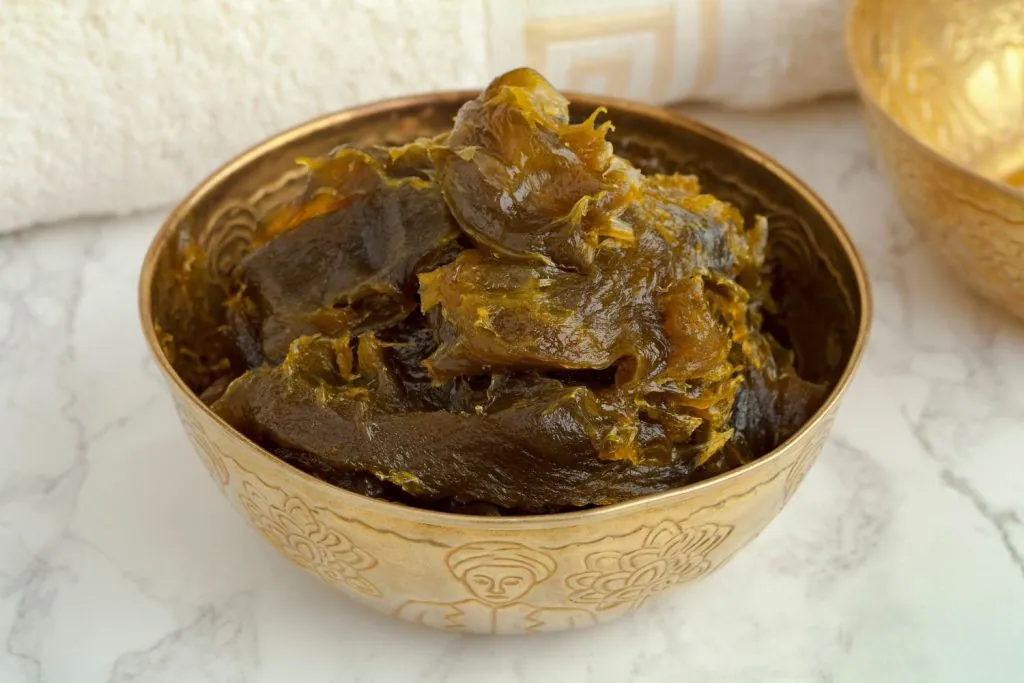
Black soap — savon beldi, made from olives — is applied and left to work. It is dark, soft and smells of olive rather than perfume.
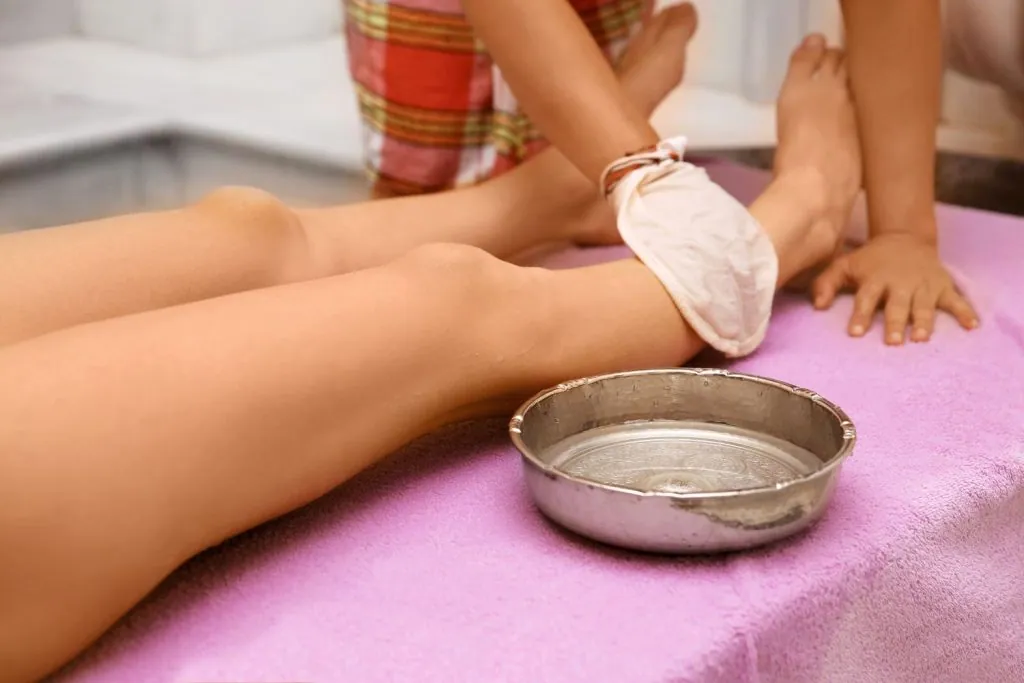
Then the scrub. An attendant works over you with a kessa glove, hard. Grey rolls of dead skin come off, in quantity, and it is startling the first time. It is meant to be vigorous, though you can ask for it gentler.
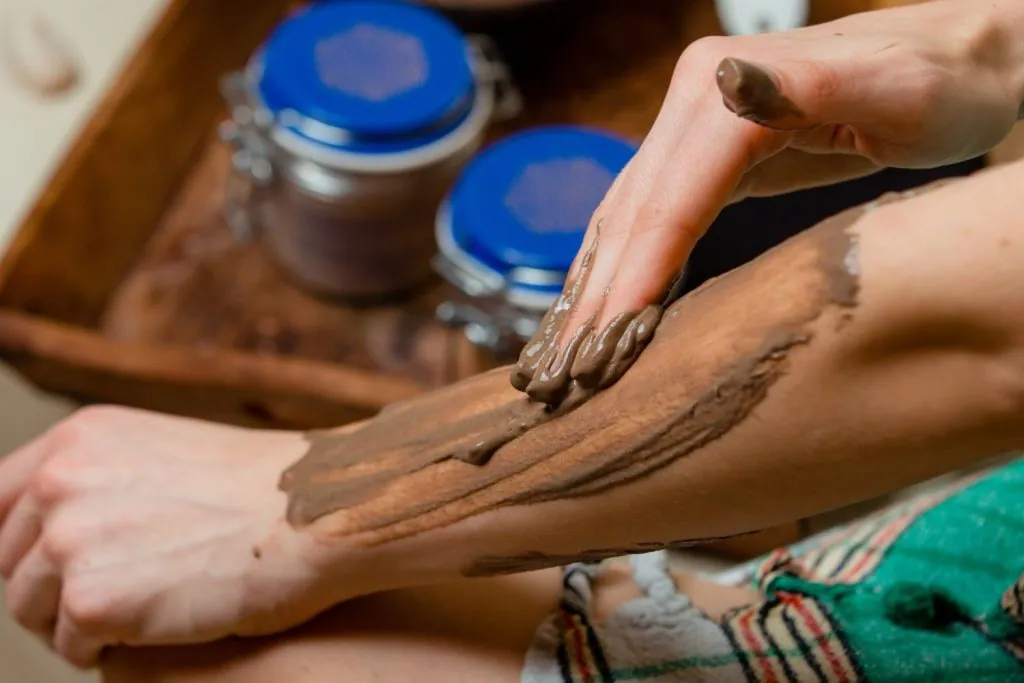
Buckets of warm water rinse everything away. Then rhassoul, a mineral clay from the Atlas, is applied as a mask over the body and hair and rinsed off in turn.
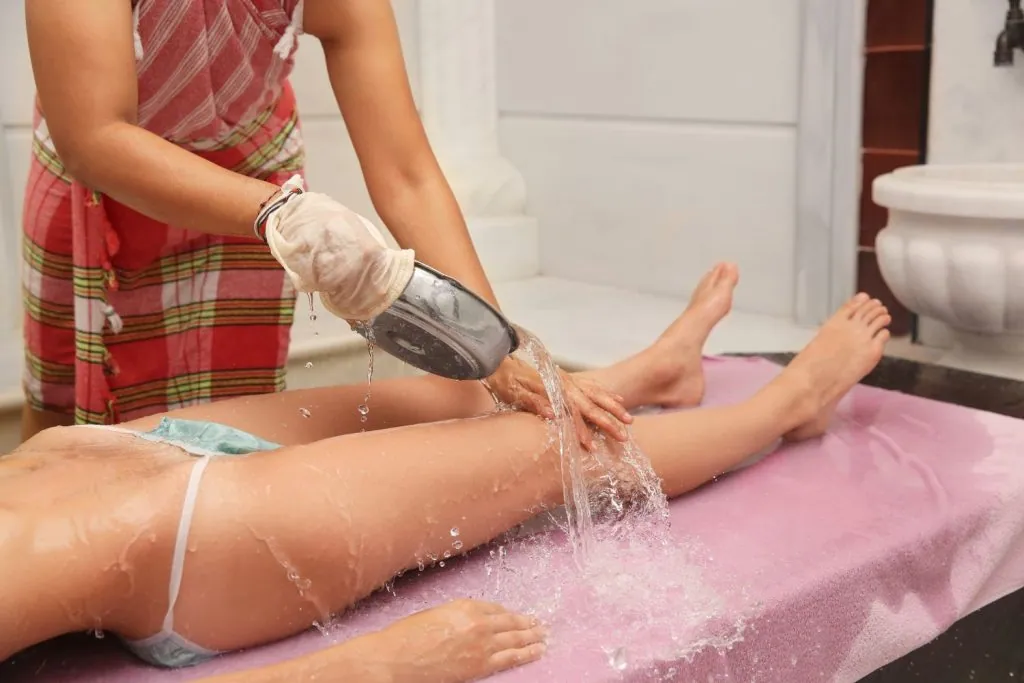
You finish with a rest, mint tea and, in most spa packages, an argan oil massage. The whole thing runs about an hour, or ninety minutes with a massage.
What to bring and what to wear
For a public hammam: a swimming costume bottom or old underwear, flip-flops, a towel, a change of underwear, and your own black soap and kessa glove — both sold cheaply in any souk or pharmacy.
For a riad or hotel spa: yourself. Everything is provided, including disposable underwear if you prefer it.
Do not wear jewellery. Silver tarnishes in the steam and small things are easily lost in buckets of water.
Leave contact lenses out if you can. The steam and the rinsing water make them uncomfortable.
Etiquette worth knowing
Keep underwear on. Modesty is the norm even in a single-sex room, and visitors who strip entirely make everyone uncomfortable.
No photographs. This should not need saying, but people try it, and in a public hammam it causes genuine offence.
Do not use a public hammam as a gym shower — it is a shared, semi-sacred space with its own rhythm. Watch what others do and follow it.
Speak up during the scrub if it hurts. "Bshwiya" means gently, and attendants adjust without offence. They are working hard, not testing you.
Tipping is expected for the attendant in a public hammam and customary in a spa even when service is included. A modest note in cash is normal.
What things cost
These are ranges to plan against rather than quotes, and they change with season and venue.
A public hammam is a few dirhams for entry, with a small additional charge if you want an attendant to scrub you. It is the cheapest worthwhile thing you can do in Marrakech.
A riad or dedicated spa package — hammam, gommage, rhassoul and a massage — sits in the mid range and is where most visitors land.
A five-star hotel spa charges European rates and rises sharply for longer treatments and couples’ packages.
Bring cash. Smaller places do not take cards, and tips are cash everywhere.
Booking, timing and who should be careful
Riad and hotel spas take bookings and fill in high season. A day ahead is usually enough; more for a group or a couples’ room.
Public hammams do not take bookings. Turn up, and expect them to be busiest in the late afternoon and before Friday prayers.
A hammam works best at the end of a day of walking, or the day after arriving. It is not a good idea immediately before a long drive — you will be relaxed to the point of uselessness.
Skip it, or ask a doctor first, if you are pregnant, have heart or blood-pressure problems, or have skin conditions the scrub would aggravate. The heat is genuine and not every body enjoys it.
Argan oil, and what to buy afterwards
Argan oil is produced in the Souss region and used both cosmetically and in cooking. The cosmetic version is cold-pressed from raw kernels; the culinary version is pressed from roasted ones and tastes nutty.
Women’s cooperatives around Essaouira and Agadir sell it directly, and buying there means more of the money reaches the producers.
Black soap, a kessa glove and a bag of rhassoul clay cost very little in any souk and let you repeat a rough version of the ritual at home. They are the most useful souvenirs Marrakech sells.
Be wary of very cheap "pure argan" in tourist shops. Genuine oil is slow to produce and priced accordingly.
Treatments beyond the hammam
The argan oil massage is the standard follow-on, and in most riad packages it is included. Pressure is generally moderate rather than deep tissue.
Rhassoul body wraps use the same Atlas clay as the hammam, applied more thickly and left longer. Good for skin, and the one treatment that genuinely benefits from the extra time.
Facials using argan, prickly pear seed oil or orange blossom water are widely offered. Prickly pear oil is the local speciality and considerably more expensive than argan for good reason — the yield per kilo of seed is tiny.
Couples’ rooms are standard in riad spas and hotel spas, though not in public hammams, which are single-sex without exception.
Making it part of the day
The best time is late afternoon, after walking the medina and before dinner. You come out loose, clean and hungry, which is the right order.
A morning hammam works well on a rest day but leaves you sleepy for anything demanding afterwards. Do not book one before a long drive.
Allow more time than the treatment length. Riads serve tea afterwards and rushing away from it slightly misses the point.
If your trip includes the desert, a hammam on the day you return is close to perfect — several days of dust and driving is exactly the condition the ritual was designed for.
Frequently asked questions
You sit in a steam room, are covered in olive-based black soap, scrubbed hard with a kessa glove, rinsed with buckets of warm water, treated with rhassoul clay and then rested with mint tea. It takes about an hour, or ninety minutes with a massage.
Underwear or a swimming costume bottom. Full nudity is not the norm in Morocco and would be out of place, particularly in a public hammam.
A public neighbourhood hammam costs a few dirhams plus a small charge for a scrub. A riad spa package sits in the mid range, and a five-star hotel spa charges European prices.
Go public for the genuine cultural experience and very low cost, riad for comfort and a proper treatment at fair value, hotel for full pampering. Decide which of the three you actually want first.
Riad and hotel spas take bookings and fill up in high season — a day ahead is usually enough. Public hammams do not take bookings; you simply turn up.
The heat is genuine. Ask a doctor first if you are pregnant or have heart, blood-pressure or skin conditions. Tell the attendant "bshwiya" if the scrub is too hard.
Yes. Tipping the attendant is expected in a public hammam and customary in a spa even when service is included. Bring cash — smaller places do not take cards.