Few countries pack so much variety into so little distance. In a single week you can wander a medieval medina, stand on an Atlantic beach, cross a mountain pass at 2,260 m and sleep on a dune in the Sahara. Here are ten reasons our travellers keep coming back.
1. Four imperial cities, each with its own character
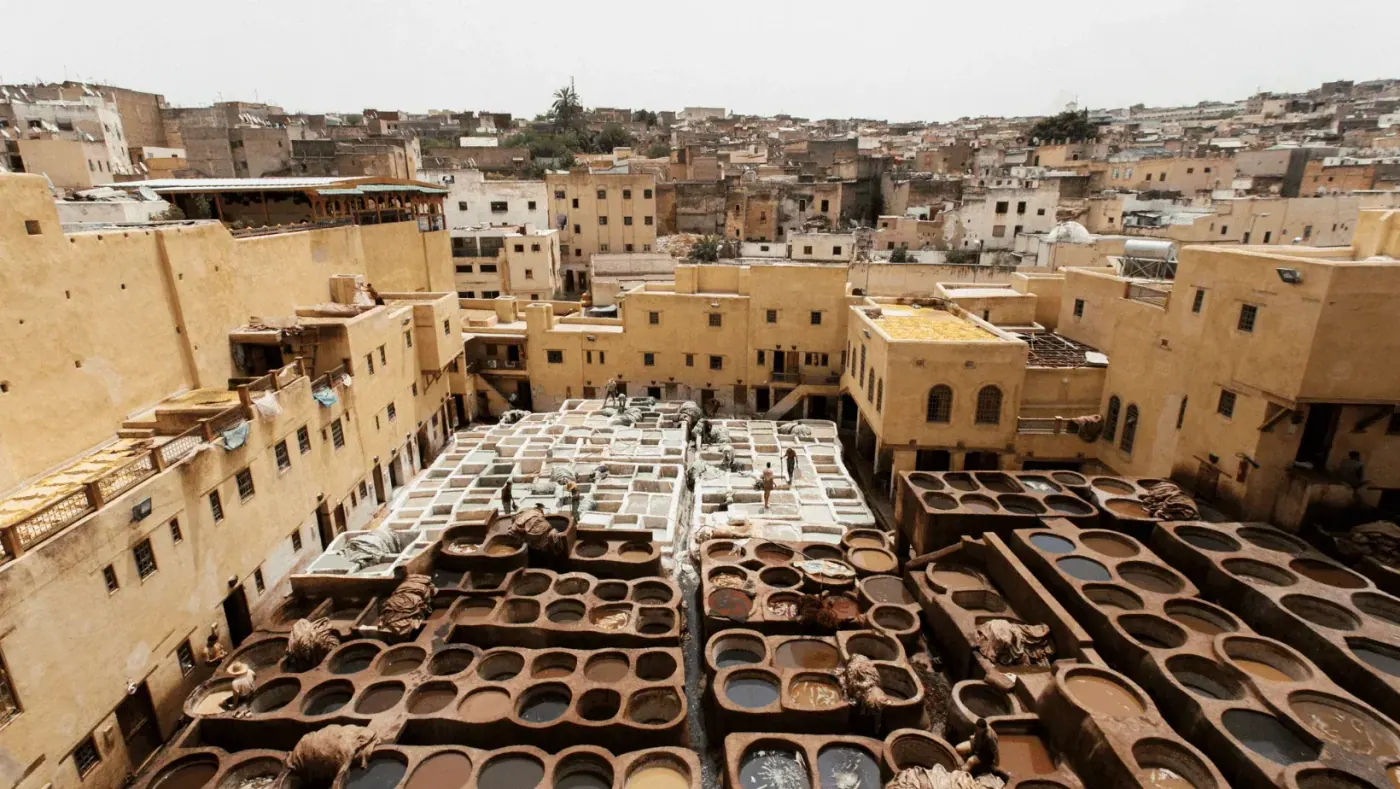
Marrakech, Fes, Meknes and Rabat have all served as Morocco’s capital, and each wears its history differently. Rabat looks modern at first glance, then reveals the Kasbah of the Oudayas and the Hassan Tower. Fes holds the oldest medina of them all, plus Al-Qarawiyyin — founded in 859 and often called the world’s oldest university. Meknes is quieter and grander, built around the monumental Bab Mansour gate. Marrakech is the loudest and most theatrical of the four.
2. Two coastlines and a lot of beach
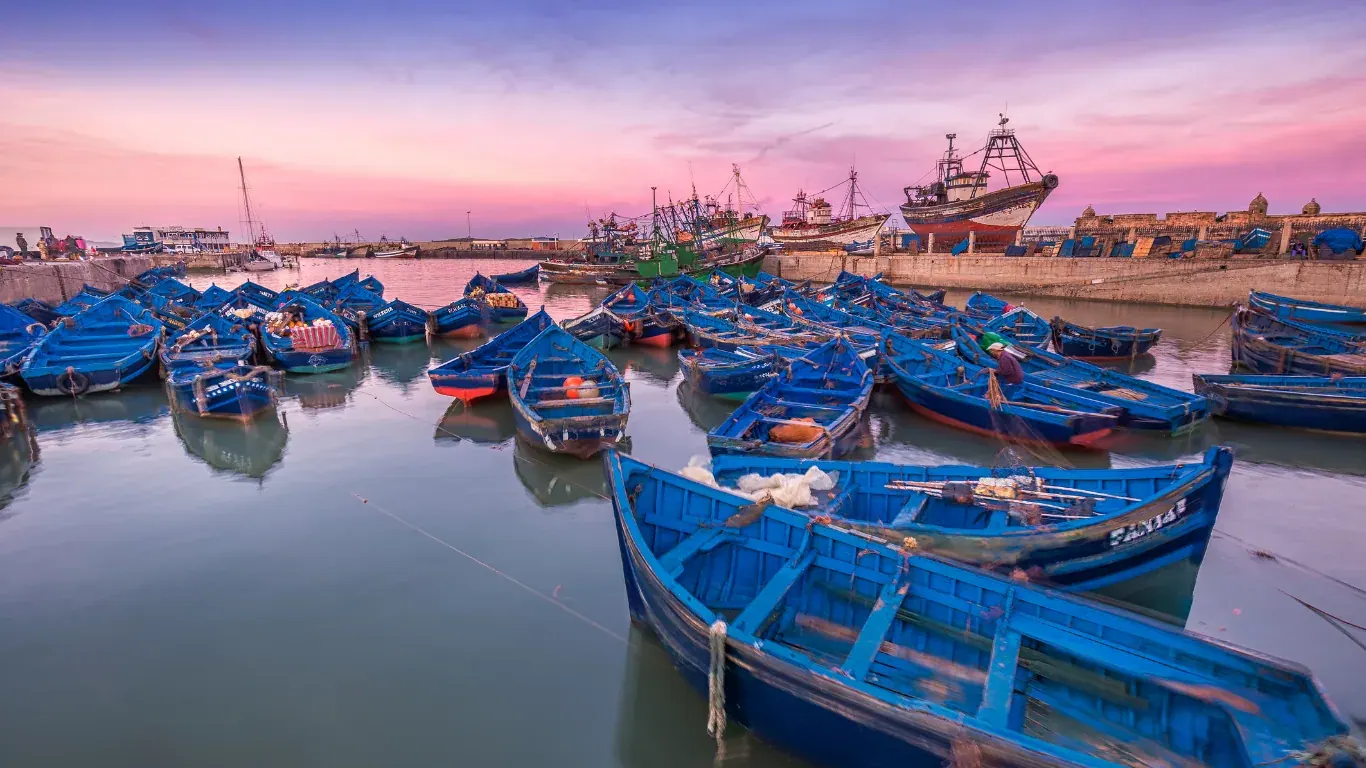
Morocco meets both the Atlantic and the Mediterranean. Agadir and Tangier draw the international crowd; Asilah is more of a Spanish and Moroccan favourite; El Jadida and Oualidia fill with domestic holidaymakers in summer and stay refreshingly untouristed the rest of the year. Essaouira, with its steady trade winds, is the one surfers and kitesurfers plan their trip around.
3. Three mountain ranges for every level of walker
The Atlas splits into the High, Middle and Anti Atlas, and between them they cover everything from gentle valley strolls to serious ascents. Jbel Toubkal, North Africa’s highest peak at 4,167 m, is close enough to Marrakech for a two-day climb. Lower down there are Berber villages, walnut groves, mule tracks and some genuinely good birdwatching.
4. The Sahara is genuinely reachable
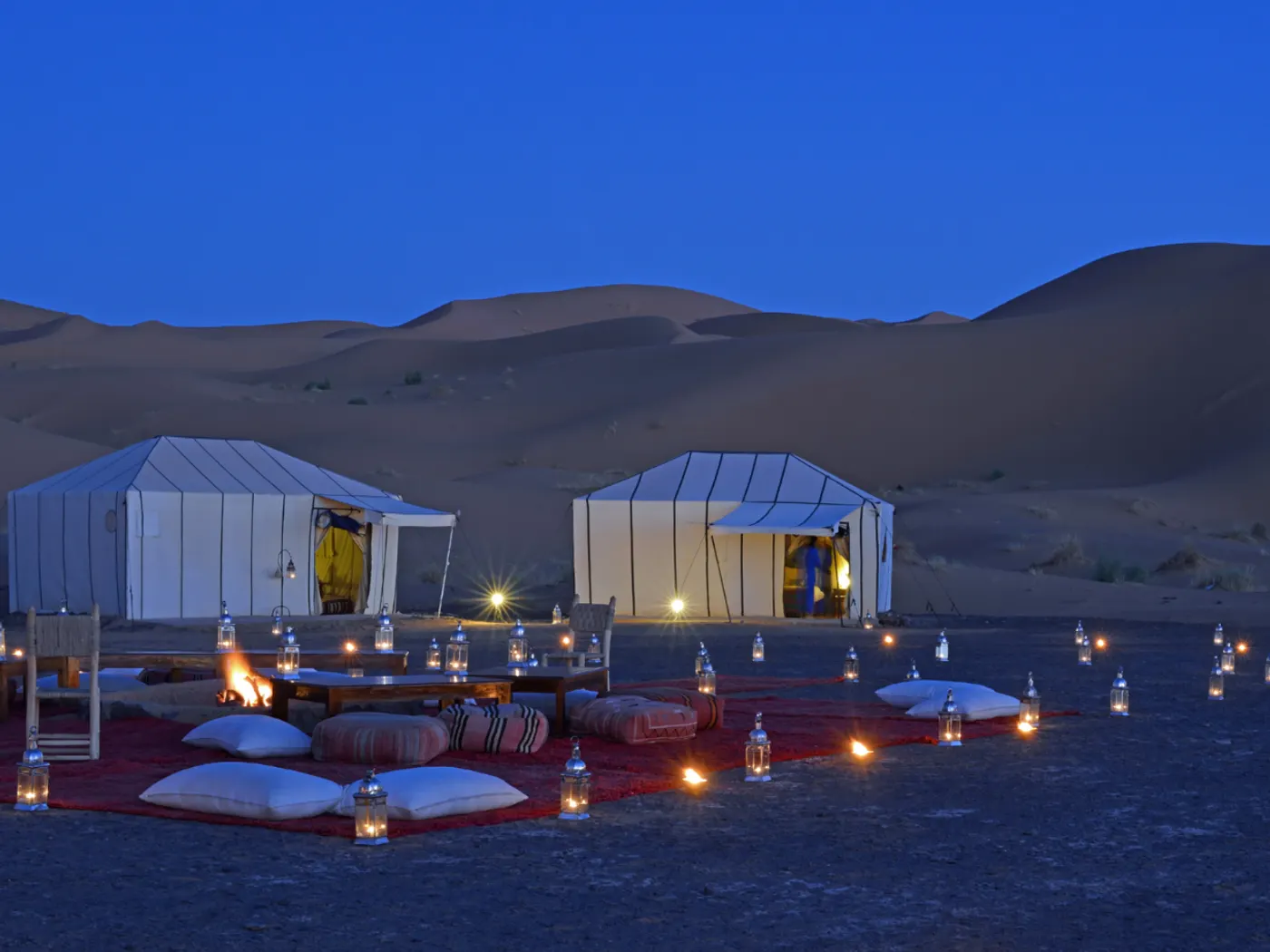
Plenty of countries border the Sahara. Morocco makes it easy to actually reach. From Marrakech or Fes you can be riding a camel over the Erg Chebbi dunes by late afternoon and eating dinner in a desert camp that night. What people remember afterwards is rarely the dunes themselves — it is the silence, and a sky with no light pollution anywhere in it.
5. A culture built from many layers
Amazigh (Berber) and Arab traditions form the foundation, with a strong Andalusian layer left by the Muslim communities who crossed from Spain. On top of that sit French, Spanish and Portuguese traces from the colonial period, and a long Jewish history still visible in the mellahs of Fes and Marrakech. The result is a country that feels distinct from anywhere else in North Africa.
6. Architecture worth slowing down for
Zellij tilework, carved cedar, and hand-cut plaster turn up everywhere from grand mosques to modest riads. The Hassan II Mosque in Casablanca sits partly over the Atlantic and holds 25,000 worshippers. The Saadian Tombs in Marrakech stayed sealed and forgotten until 1917. Even an ordinary guesthouse courtyard usually has something worth photographing.
7. Souks that are still working markets
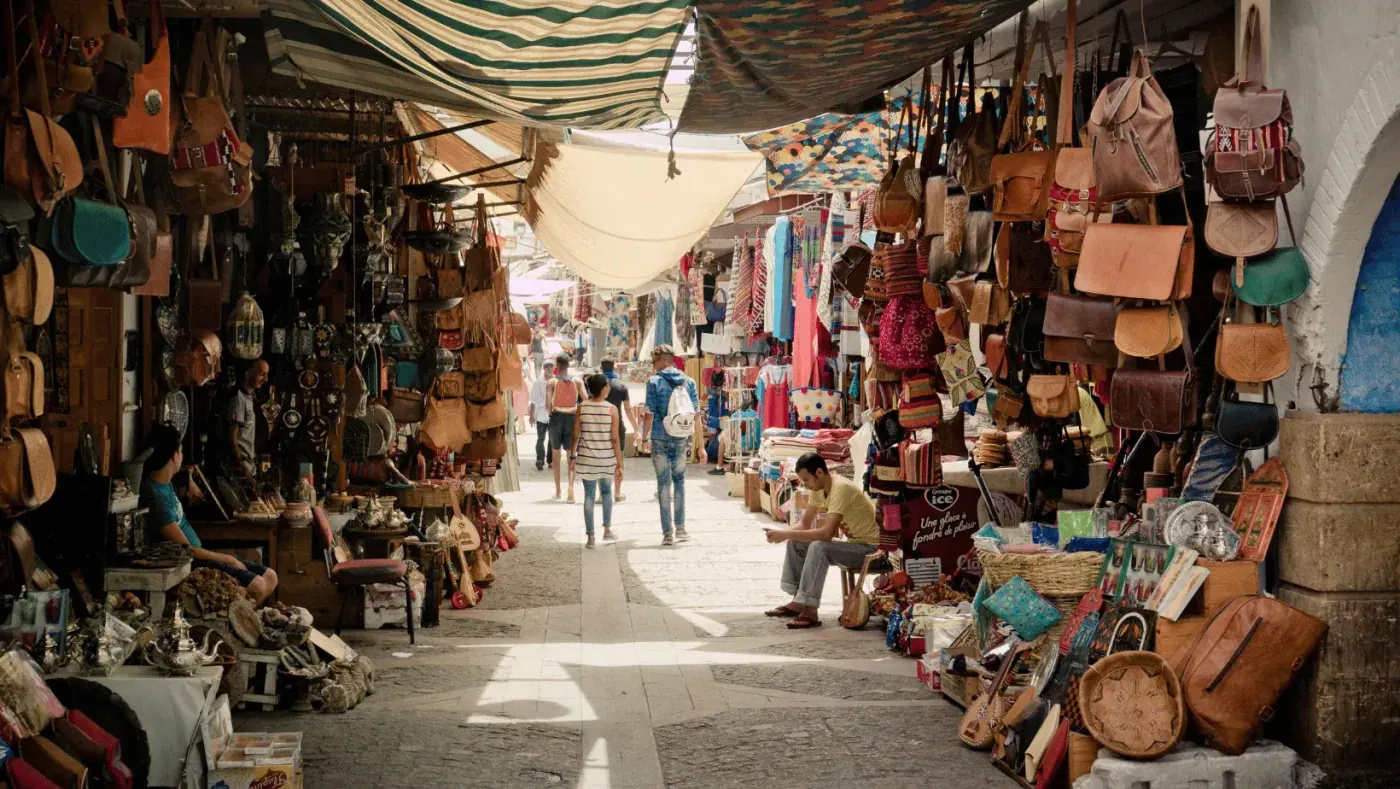
Every town of any size has a souk, and the bigger cities have many, each with its own trade — metalwork in one lane, leather slippers in the next, dyed wool hanging above another. Some rural souks run only on set weekdays, which is worth planning around. Haggling is expected and good-natured; treat it as conversation rather than combat.
8. Food that rewards curiosity
Tagines and couscous are the headline, but the everyday food is where it gets interesting: harira soup, bread baked in a communal oven, grilled sardines on the coast, pastilla with its sweet-savoury crust. Mint tea arrives constantly, poured from height, and refusing the second glass takes real determination.
9. Somewhere to stay at every budget
You can spend a night in a five-star palace hotel or in a nomad tent, and both will feel authentically Moroccan. The middle ground — riads and dars converted from old family homes inside the medinas — is where most travellers end up, and where the hospitality is at its best. Smaller riads can often be booked out entirely for a family or group.
10. People who are genuinely glad you came
Morocco is stable, welcoming and used to visitors, and hospitality here is closer to an obligation than a courtesy. French is widely spoken, English is common in tourist areas, and in villages you will get more waves than stares. It is the reason so many first-time visitors book a second trip before they have finished the first.
How easy is it to get there?
Morocco is closer than most people assume. It is roughly three hours from London or Paris, under two from Madrid, and served by budget and full-service airlines into Marrakech, Fes, Casablanca, Tangier and Agadir. There is also a ferry from Spain into Tangier for anyone travelling overland.
That proximity is a large part of the appeal: you can be in a Sahara camp roughly 24 hours after leaving northern Europe, in a country with a completely different landscape, language and cuisine, without a long-haul flight or serious jet lag.
What it costs compared with Europe
Value is one of the quieter reasons Morocco keeps drawing people back. Meals, taxis, entrance fees and local transport cost a fraction of western European prices, which means the money goes further on the things that matter — a better riad, a private guide, an extra night in the desert.
The exception is anything imported and anything genuinely luxury, which is priced internationally. A sensible way to budget is modest on food and transport, generous on accommodation and guiding, since that is where the experience is actually made.
Who Morocco suits
It works unusually well for a wide range of travellers. Couples get riads, hammams and desert camps; families get camels, kasbahs and short driving days if the route is planned properly; photographers get light that is worth the early starts; and solo travellers find it sociable and straightforward with a guide.
It suits less well if you want a purely beach holiday, or if you dislike driving — the distances are real and the best of the country is between the cities rather than in them.
Frequently asked questions
Yes, and usually more than once. Few countries put imperial cities, high mountains, a genuine desert and an Atlantic coast within a few hours of each other, at this price, this close to Europe.
About three hours by air from London or Paris, under two from Madrid, and a short ferry from southern Spain to Tangier.
The Sahara at Merzouga, the medinas of Marrakech and Fes, Ait Ben Haddou, the blue city of Chefchaouen, and its food — tagine, couscous and mint tea.
It is one of the easiest introductions: good roads, established tourism, short flights, and English or French widely spoken in the places visitors go.
Most people come back. A first trip usually covers Marrakech and the desert; a second adds Fes, Chefchaouen and the coast without repeating anything.
Want to see this for yourself?
Every one of our tours is private and shaped around you. Tell us your dates and we will put a route together — usually within 24 hours.